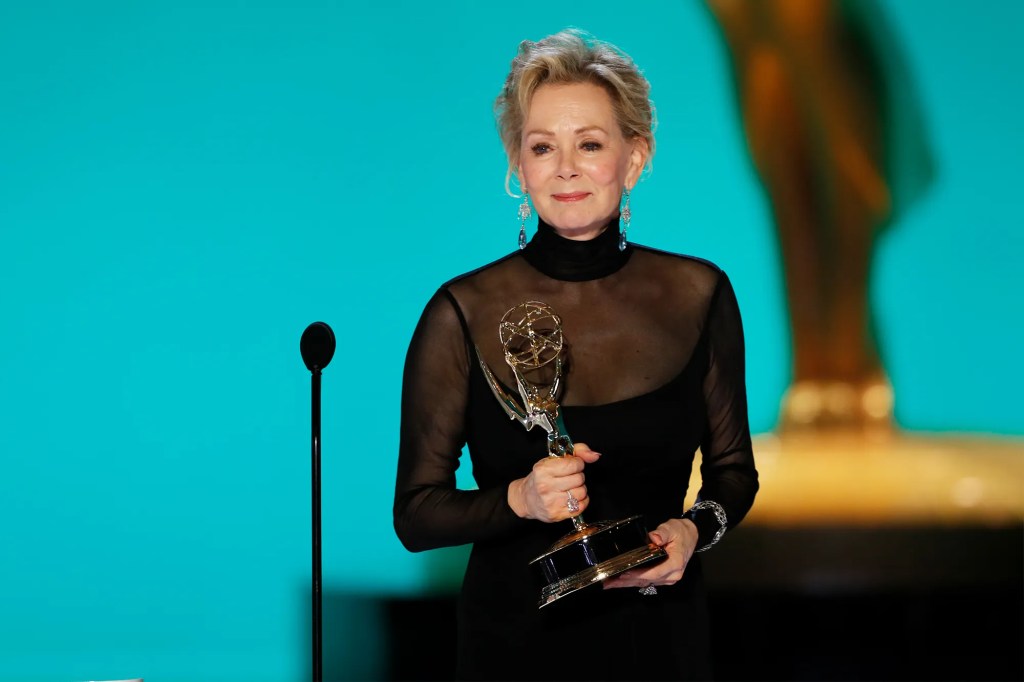
What I’m thinking about

  • The 2025 Joey Awards

    The 2025 Joey Awards

    Hello, it’s been a minute. I got sick twice and went away for a week, so my plans to post something in May kind of got torpedoed. There is a silver lining to this delay, however: I’m now writing something in mid-June, which is always a fascinating time in the world of TV.

    The eligibility deadline for the 2025 Emmys was May 31. That may seem like an arbitrary date to delineate between two years of television — and that’s because it is. Personally, I hate that the Emmy window ends in the middle of spring, especially because it creates a weird lull in the release calendar during the early part of the summer. Some shows can come out of nowhere and surprise us around this time of year — as The Bear did in 2022 — but for the most part, June is a barren time in TV, leaving one to reflect on the shows released over the last twelve months.

    That’s what I plan to do today. Not only have I been thinking a lot about the shows that will be eligible for awards this September, but I’ve also been thinking about how the Emmys are utterly ridiculous and a terrible representation of what elements of the TV landscape are actually “award-worthy.” If you recall, the final season of Game of Thrones won the Emmy for Best Drama Series — and that season of TV was straight-up bad. So, in an act of defiance against the Emmys, I’ll be publishing a few of my own awards from this year’s pool of submissions.

    I considered doing a full slate of awards, much like the “real” award shows, but that started to feel too similar to my yearly top twenty list. I don’t want to simply reiterate praise for shows I already talked about in January, and I don’t want to show my hand too early on what I think the best shows of 2025 are. Instead, I’ll be focusing on the aspect of film and television that somehow doesn’t get enough love these days: acting.

    Nowadays, people seem so focused on writing and directing that the famous faces on our screens have become somewhat underrated. For example, I love Succession, and I’m a huge fan of its creator, Jesse Armstrong, and his complete mastery of sharp, biting dialogue. But let’s be real — without Jeremy Strong and Brian Cox, that show would’ve sucked. Television is a visual medium, and it’s at its best when it’s focused on people. Great actors bring something to a role that isn’t — and can’t be — on the page. Try it yourself: read a script from one of your favorite shows. While the dialogue might be funny or beautiful or heartbreaking — or all three — until an actor gets their hands on it, it’s just words on a page.

    Last thing before I start: categories. There are four categories at the 2025 Joeys — Actor in a Leading Role, Actress in a Leading Role, Actor in a Supporting Role, and Actress in a Supporting Role. I’m not going to split them into drama and comedy, because I think that shifts the debate away from the performances themselves and toward whether or not someone was in the “right” category. I don’t care about that, and I think it’s dumb to argue over. Each category — much like the Oscars — will have five nominees, unlike the Emmys, which seem to nominate an arbitrary number of people each year. Finally, only one performance per show can be nominated in each category. That may seem arbitrary too, but if I didn’t draw the line somewhere, I’d end up nominating four people from The White Lotus in every category — and that’s boring.

    Okay, I’ve rambled enough. Welcome to the 2025 Joeys!

    Actor in a Supporting Role

    The Best of the Rest

    I won’t lie to you — this category was kind of stacked. It broke my heart to leave out Mark Proksch for his work in the final season of What We Do in the Shadows. He’s been a comedic powerhouse on that show for years. Ebon Moss-Bachrach would’ve been a shoo-in in the past for his role in The Bear, but after the third season that fell a bit flat, he comes up just short of a nomination here.

    The Severance gang comes up empty this year, with John Turturro, Tramell Tillman, and Zach Cherry landing in the final group of cuts. And due to the one-actor-per-show-per-category rule, my boy Harry Lawtey narrowly misses a nomination for Industry. I’d also like to give a special shout-out to Patrick Schwarzenegger and Jon Gries, who were the bright spots in an otherwise uneven season of The White Lotus.

    All of these actors are fantastic and deserve statues built in their honor — but alas, this was not their year to win a Joey.

    And the nominees are…

    Peter Sarsgaard, Presumed Innocent
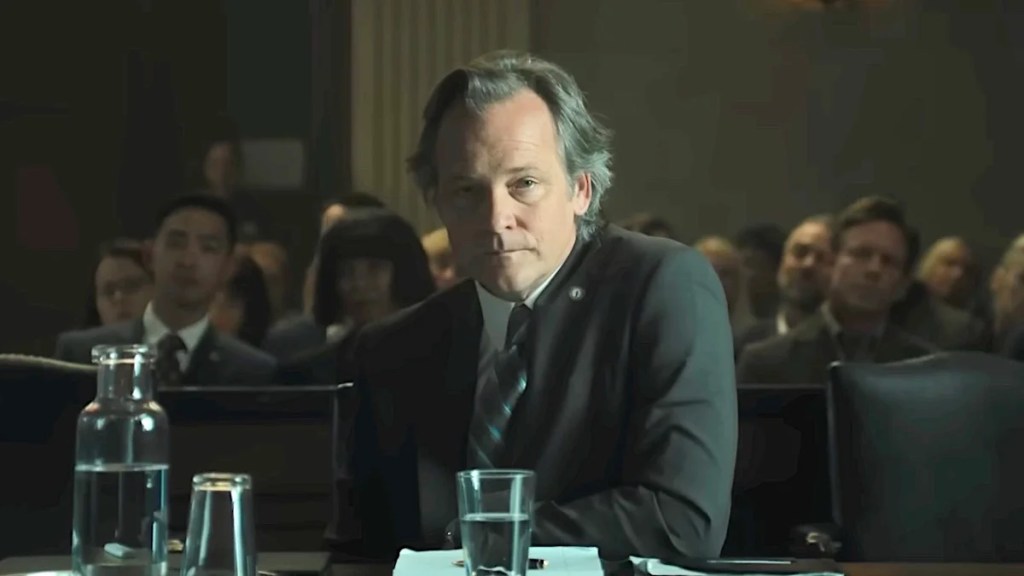
    As is often the case with great supporting performances, Sarsgaard’s work as prosecutor Tommy Molto manages to outshine the show’s lead. Presumed Innocent frequently felt messy and overly melodramatic, but Sarsgaard emerged as the show’s MVP, channeling a chaotic, desperate energy throughout his performance. On the surface, this seemed like a Jake Gyllenhaal star vehicle — but at its core, it’s Sarsgaard’s portrayal of a resentful, bolo-tie-wearing creep that carries the show. It only works because of him, and he’s worth the price of admission on his own.

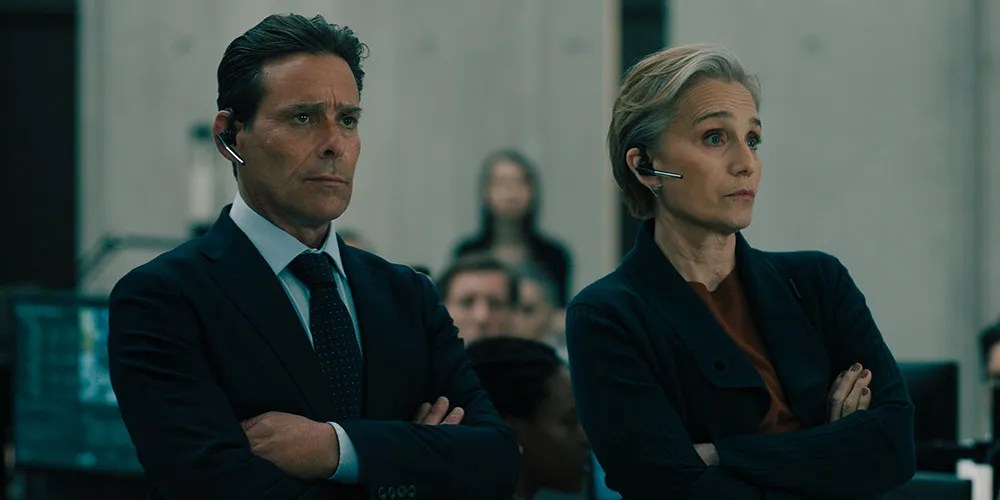
    Stellan Skarsgård, Andor
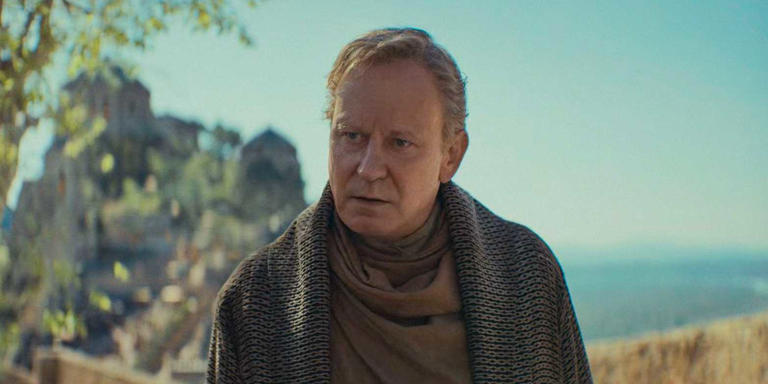
    I feel like I didn’t give Andor the credit it deserved during its first season (there’s a chance this is one of the twenty best shows of all time). But even then, I would’ve had to be blind not to appreciate what Skarsgård was doing in this role. In the second season, Skarsgård’s Luthen is back — and better than ever. While Diego Luna is Andor’s lead (and brilliant in his own right), Luthen is the engine that makes the show run. Madness, brilliance, and pride swirl together, spouting forth in one virtuosic monologue after another. I’m going to miss this show — and you should too.

    Owen Cooper, Adolescence

    I don’t even understand how a performance like this is possible. Owen Cooper, in his first professional acting role, is remarkable to watch. He’s frightening yet endearing, recognizable yet entirely unique. In all my years of TV viewership, I can’t recall a performance by a child actor that felt this resonant. Most impressive of all is the fact that if this performance had fallen flat, the entire show would’ve crumbled. It’s the dark, open heart of Cooper’s Jamie Miller that makes the show hum. This kid is about to win an Emmy before he turns seventeen — and I have absolutely no complaints about that.

    Tom Glynn-Carney, House of the Dragon
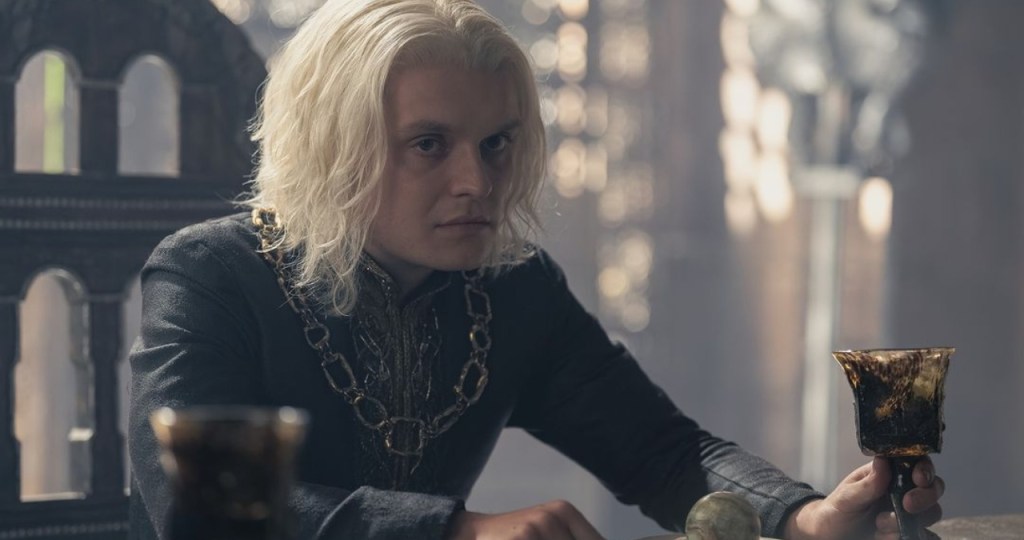
    You might be surprised to see that the second season of House of the Dragon is eligible for the 2025 Emmys. That instinct is correct — this is yet another example of how dumb the Emmy calendar is. Because of the bizarre relationship between the release schedule and awards campaigning, it’s highly unlikely we’ll see Tom Glynn-Carney at the Emmys this fall. But in a season that was largely uneven, Glynn-Carney shined. His performance as a dipshit trying not to be a dipshit was spectacular, bringing nuance to a character who had none in the previous season. Pain, inadequacy, and rage are written all over his face — and he brings a level of humor we haven’t seen since the original run of Game of Thrones. Let my boy Aegon cook.

    And the Joey goes to…

    Ken Leung, Industry
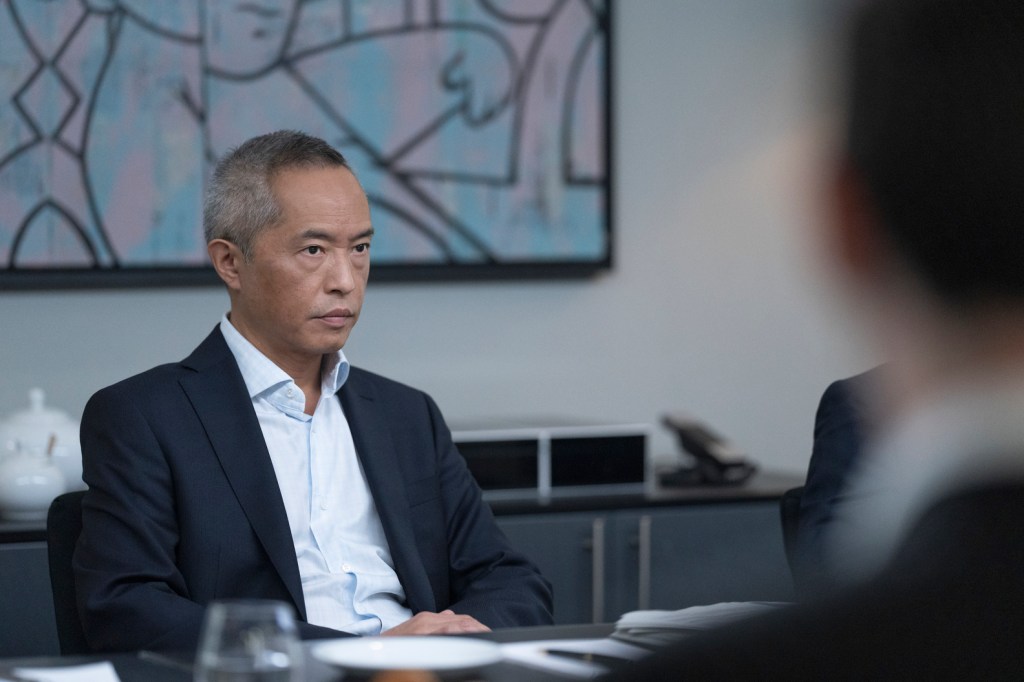
    If you’ve literally ever met me, this choice should not surprise you. I firmly believe that Ken Leung is the best actor on television right now. He’s the example I give when trying to illustrate the importance of great acting on TV. Leung makes the tangible intangible. He takes the words on the page and gives them life — but more than that, he shines in the gaps and pauses. While Leung’s Eric has been a staple of Industry across all three seasons, it’s in the third installment that his performance truly goes supersonic. I know most people haven’t seen Industry, and that’s a huge mistake on their part. But if you’re even remotely interested in seeing what acting can be, this show is a must-watch. It’s truly Joey-worthy work.

    Actress in a Supporting Role

    The Best of the Rest

    The competition may not have been that steep this year in Supporting Actress, but there were still some wonderful performances that just missed the cut. Chief among them is Genevieve O’Reilly, who was breathtaking at times in the second season of Andor. But alas, the one-entry-per-show rule I’ve imposed on myself keeps her from a nomination. Curse me and my rules!

    Aimee Lou Wood and Michelle Monaghan run into the same issue, as only one person from The White Lotus can be nominated in this category. Patricia Arquette was a force on Severance this year, but the inconsistency in her storyline and her fluctuating usage rate leave her just short.

    Despite being the toughest cut in this category, Christina Ricci also misses out for Yellowjackets. That show has been in a complete nosedive since season one wrapped, and she might just be the only thing keeping it afloat.

    Sometimes I think this year has been underwhelming — but then I look at this list of names and remember how good we really have it. Cheers to them.

    And the nominees are…

    Erin Doherty, Adolescence

    This might be the best performance in any category. Doherty manages to convey so much in Adolescence while maintaining a cold, professional demeanor. The blessing and curse of this performance is that she only appears in one episode. On one hand, delivering something this powerful in such a short amount of time is incredible. On the other hand, it felt a bit off to give the Joey to someone with so little screen time. Pound for pound, though, this might be the performance of the year.

    Jodie Turner-Smith, Bad Monkey
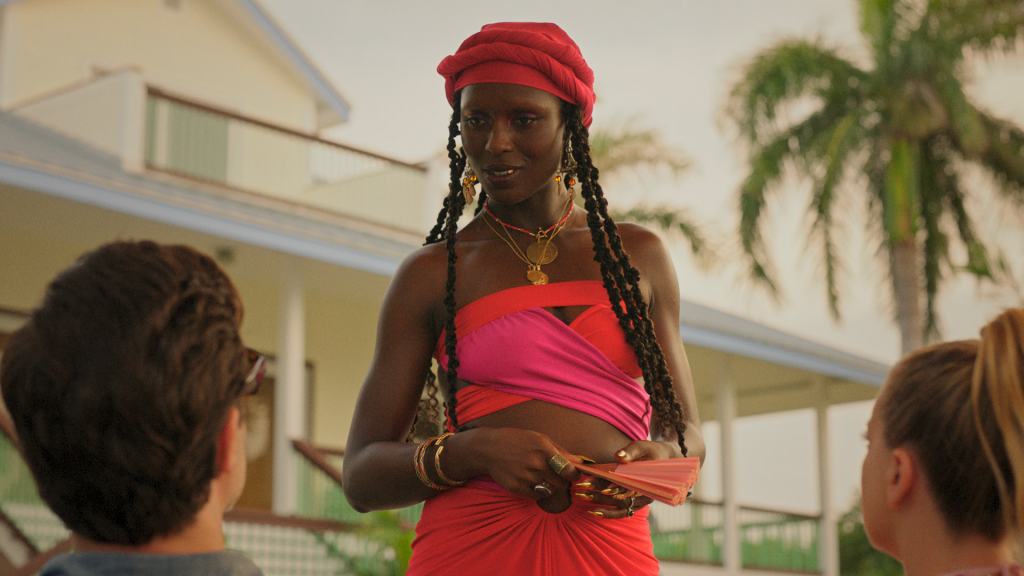
    Bad Monkey fell apart real fast. Everyone puts in great work, but the second half of the season limps to the finish. By the end, I felt nothing — but none of that was Jodie Turner-Smith’s fault. She holds the screen like few can as the Dragon Queen, showing real star power and the ability to set the tone for a show singlehandedly. By the end of Bad Monkey’s run, I was tuning in purely for Vince Vaughn’s quips and Turner-Smith’s performance. She’s a superstar, and I can’t wait to see what she does next.

    Hannah Einbinder, Hacks
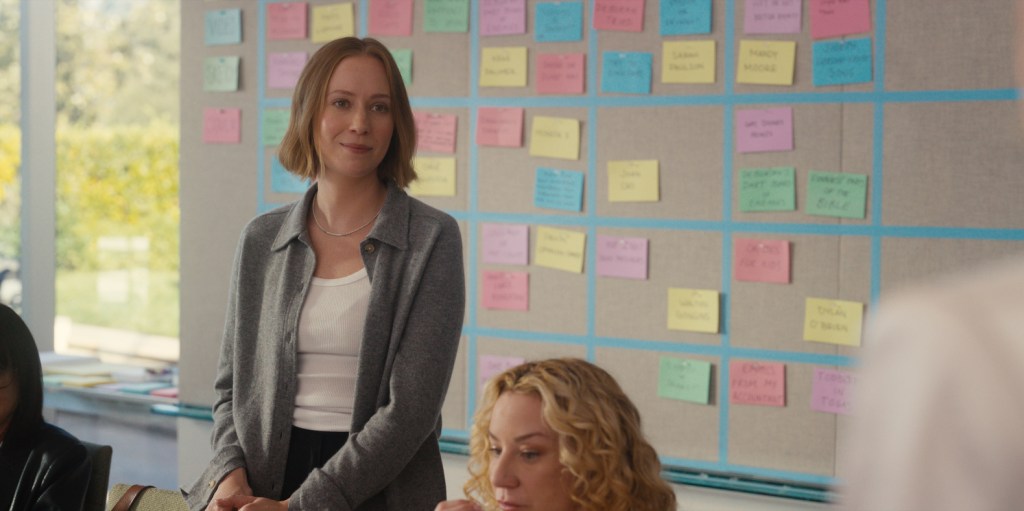
    Hacks is a very good show, and much of the praise goes to its lead, Jean Smart — but the show wouldn’t work without Hannah Einbinder. A character like Einbinder’s Ava often gets unnecessary backlash for presenting an all-too-familiar type: a chronically online, neurotic, entitled twenty-something. As someone who checks those same boxes, I usually bristle at seeing that on screen. Einbinder, however, brings an emotional center and relatable quality to the role that makes her immensely likable, funny, and sharp. Without her, this show is just Jean Smart roasting people. Instead of Hacks telling me, “this is what you’re like,” Einbinder’s performance transforms it into, “this is what we’re like.” Three cheers for Hannah.

    Denise Gough, Andor
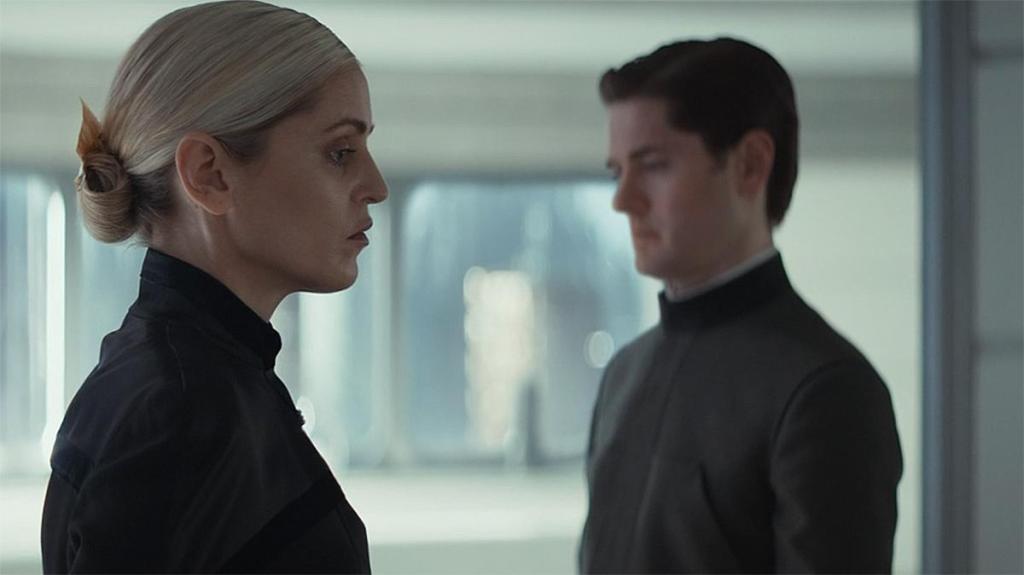
    Denise Gough throws absolute heat in Andor’s second season, and thank God she did. Gough’s Dedra runs the full gamut this season, portraying anxiety, rage, and fear with incredible range — spanning from subtlety to intensity. Putting into words what makes this performance great is difficult, which is part of why I find acting such a fascinating art form. But if you want to see someone master a character inside and out — from micro-expressions to broad physicality — Gough is worth studying. Why isn’t she in every show?

    And the Joey goes to…

    Carrie Coon, The White Lotus
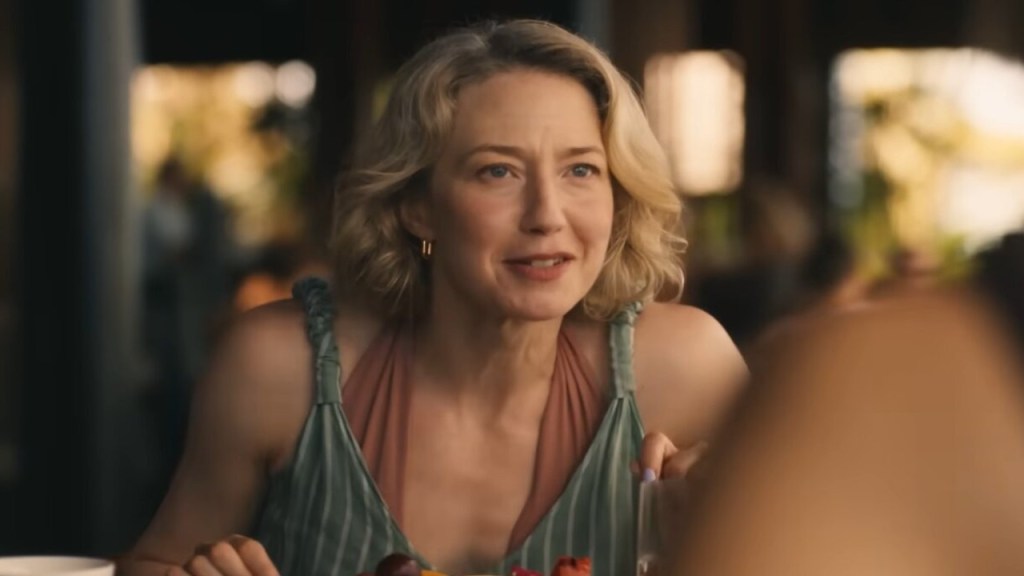
    I struggled with this choice a lot, but in the end, I had to give the Joey to my girl Carrie. The third season of The White Lotus was a mixed bag, largely due to inconsistent pacing, but Carrie Coon’s performance as Laurie was unimpeachable. Laurie feels like someone we all know, but Coon’s performance gave us a chance to examine this archetype in ways we hadn’t before. A middle-aged woman unsure of her life’s meaning is nothing new — but to watch her wrestle with it in real time was a rare treat. From the highs of dancing under the full moon to the lows of hearing her friends talk about her behind her back, this character felt lived-in in a way The White Lotus characters rarely do. Special shout-out to her work in the finale, delivering one of the best monologues I’ve ever seen on television. Coon is one of my favorite actors of all time — and for good reason.

    Actor in a Leading Role

    The Best of the Rest

    This is a group of hitters. While the winner in this category felt like an easy pick, there were a dozen people contending for a nomination. Those who missed the cut did so for a variety of reasons.

    Pedro Pascal was lights-out in this season of The Last of Us but didn’t have enough screen time to crack this group. Brian Tyree Henry was the only thing keeping Dope Thief afloat, but an actor can only elevate poor material so much.

    I would’ve loved to include Taylor Kitsch for American Primeval and Tom Hardy for MobLand, but in a group this crowded, I went with performers who showcased a bit more range.

    The toughest cuts were Gary Oldman for Slow Horses and Jeremy Allen White for The Bear, both of whom brought their A-game just as they have in years past. But for reasons that will become clear, they fell just short.

    Speaking of things that are short…

    And the nominees are…

    Martin Short, Only Murders in the Building
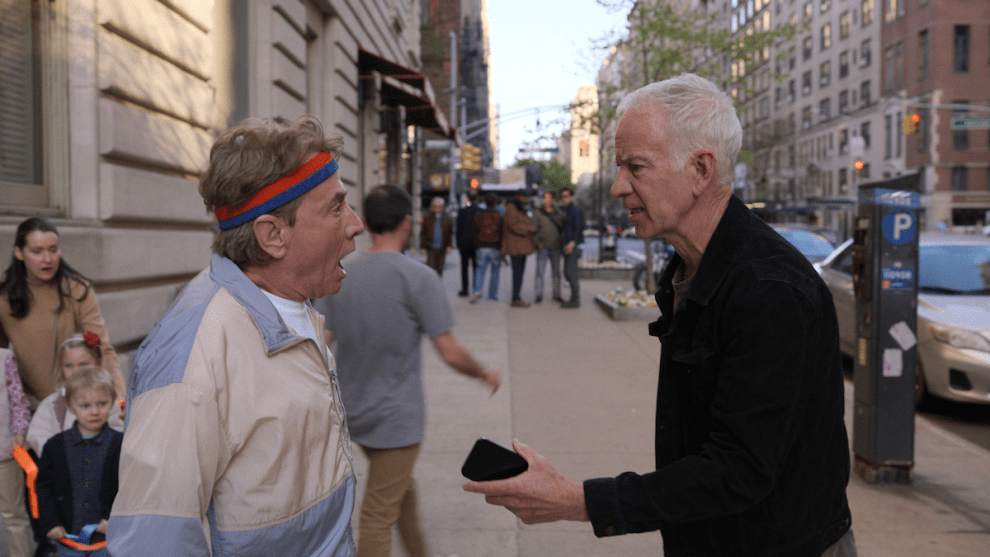
    Nominating Martin Short might surprise some of you, but it shouldn’t. Comedic performances are often overlooked, and because of that bias, many fail to see the wonderful work Short is doing on Only Murders in the Building. He’s lively and energetic, scurrying around with the exuberance that’s been a staple of his style for years. This season especially, however, Short balances his almost cartoonish energy with true depth and sincerity. Watching him and Steve Martin bounce off each other on this show is a real treat, and I can’t wait for more.

    Diego Luna, Andor
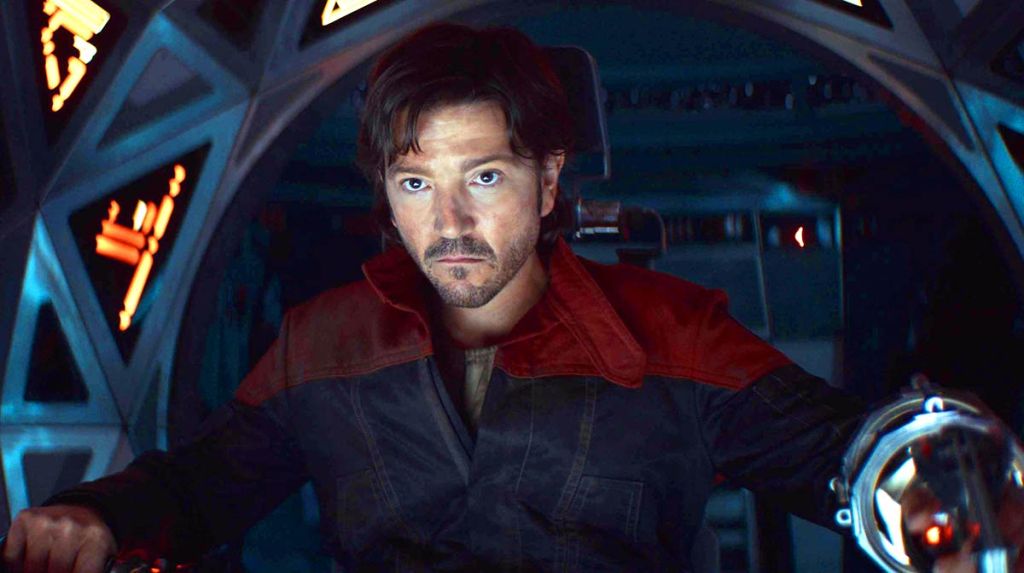
    Diego Luna used to be one of those actors I had no opinion on. That’s no longer the case. Luna seized the opportunity that Andor provided and turned what could have been a Han Solo ripoff into a character for the ages. The term “lived-in” gets thrown around a lot when talking about acting, but Luna’s performance as Cassian truly lives up to it, making him feel real and alive like few other characters on TV. In many ways, the brilliant writing from Tony Gilroy’s team deserves credit for that — but it’s rare to see a performance where a character’s past is so definitively written all over their face. I should have appreciated this show — and this performance — more while we had it.

    Stephen Graham, Adolescence

    For a moment, I thought my Stephen Graham admiration might have been misplaced. I was less than impressed with A Thousand Blows, which came out earlier this year, and I started to worry that Graham was, for lack of a better term, washed. Boy, was I wrong. I guess Graham was saving his energy, because his performance in Adolescence blew me away. His portrayal of an everyman with one of the greatest Scouse accents I’ve ever heard was equal parts familiar and heartbreaking. Graham has a talent few actors possess — you can see the character’s gears turning in their head as they react to their situation, but in a way subtle enough not to be on the nose. His performance in Adolescence is truly that of a master at his best, and I’m so glad my guy is still out there kicking ass.

    Noah Wyle, The Pitt
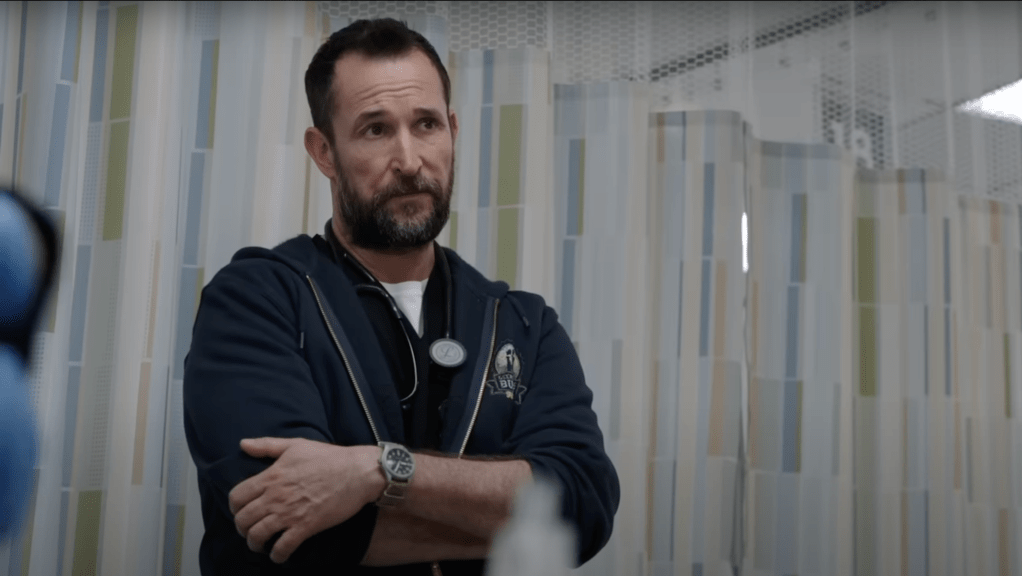
    Here is an example of a performer and role that fit together perfectly. Noah Wyle has long been on my shortlist of actors who carry an implicit air of compassion, responsibility, and competency — making him a dream fit for The Pitt. I’m so grateful to have a show like this in my life, and to have a performer at its center who can set the tone of a scene just by being in the room. My favorite feeling in the world is when a show comes out of nowhere and blows my expectations out of the water. The Pitt was one of those shows — but it shouldn’t have been. In the future, I won’t make that mistake. Anything that stars Wyle will be appointment viewing from now on.

    And the Joey goes to…

    Adam Scott, Severance
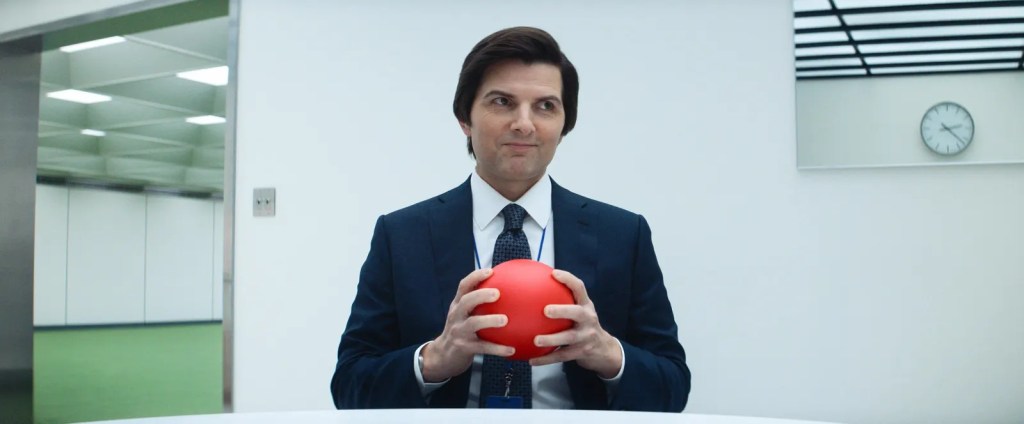
    There are no words for the work Adam Scott is doing on Severance. But I will attempt to find them. I can’t recall another performance where an actor excelled in so many different areas. Scott’s Mark is at times knowing and mischievous, at others sincere and almost soulful. He seamlessly alternates between Innie Mark’s naïveté and Outtie Mark’s jadedness. This show only works if you buy into its central emotional thrust — and that rests entirely on Scott’s shoulders. What makes this performance truly stratospheric is that Scott is doing all of this while ostensibly playing two different characters. The second season of Severance had its bumps along the way, but Scott’s performance never wavered. I can’t wait to see what he cooks up in season three.

    Actress in a Leading Role

    The Best of the Rest

    One of these days, there will be a category that doesn’t feel nearly impossible to decide on. Today is not that day.

    There were many great performances in this category that missed the cut, but a few in particular I’d like to highlight. Michelle Williams was absolutely wonderful in Dying for Sex, a show not enough people watched. Definitely worth a look — even if you’re just there for Michelle Williams.

    Lola Petticrew felt like a rising star in Say Nothing, but at the end of the day, she didn’t feel enough like a true lead performer to earn a nomination. I was dazzled by Britt Lower’s work on Severance this season, but in a crowded field, she just misses the cut.

    The most difficult cuts of all were Myha’la and Marisa Abela for Industry. Both gave mind-blowingly frenetic and, at times, bloodcurdling performances. It breaks my heart into smithereens that I didn’t have enough spots to nominate them here.

    And the nominees are…

    Jean Smart, Hacks
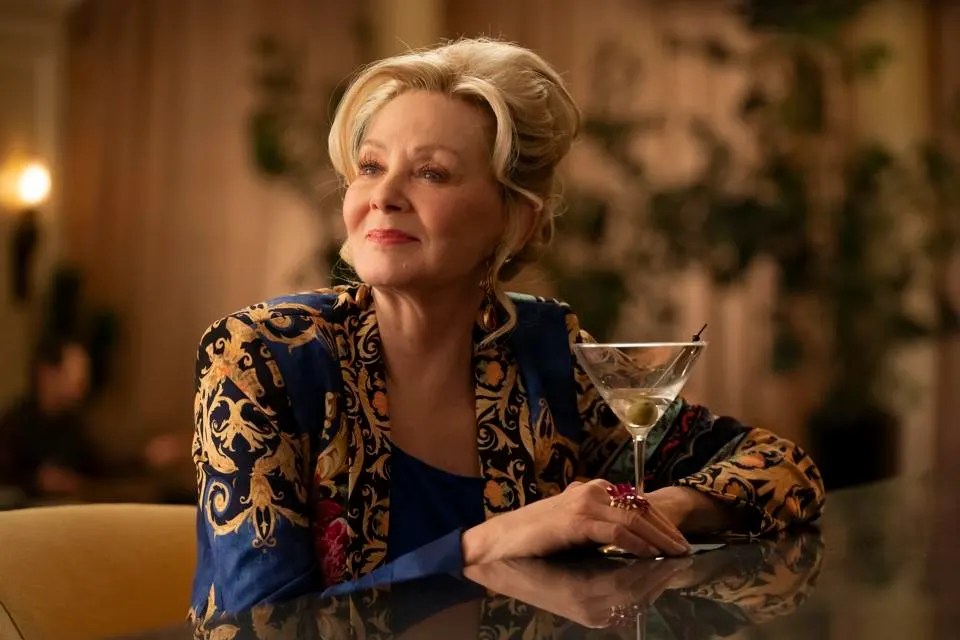
    She was a shoe-in. Jean Smart has been delivering work that can only be described as wonderful for years, and Hacks is no exception. She’s biting and lovable all at once, with a rare talent for being cold in a way that makes you want to be closer to her. Effortlessly funny, Smart can flit between dressing someone down and being an emotionally exposed nerve in an instant. Some performances allow an actor to utilize their entire arsenal — and Smart is lucky to have a part like this. We’re even luckier, because we get to watch her every week.

    Zoe Saldaña, Lioness
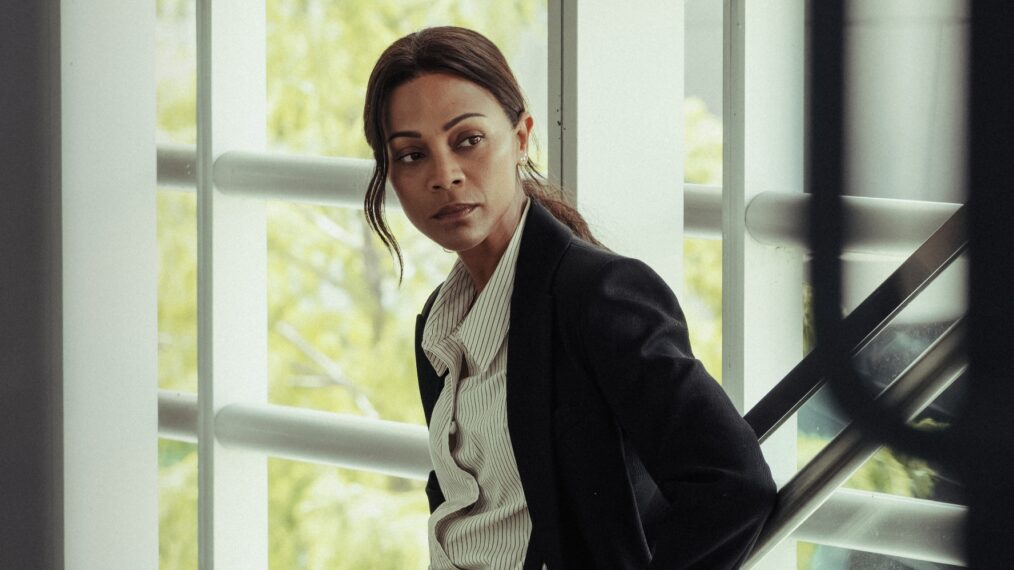
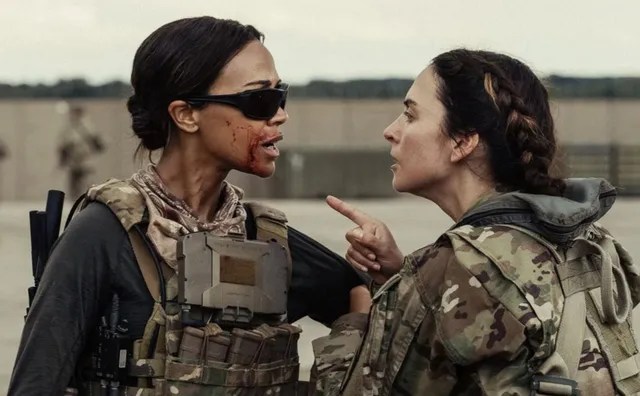
    Zoe Saldaña turns it up to eleven and never quits. Some people might call her performance in Lioness “overacting,” but her screaming at military officers is brilliant. The energy she brings is vital to the show’s success. Lesser shows would lean on exposition and listing important details to keep the audience tethered to the character’s state of mind. But where Lioness shines is when it lets Saldaña cook. Letting the viewer in on her unbridled rage, frustration, and desperation does more to reinforce the stakes than any military briefing ever could. This show is kind of a mess sometimes — but Saldaña is always pitch perfect.

    Cristin Milioti, The Penguin

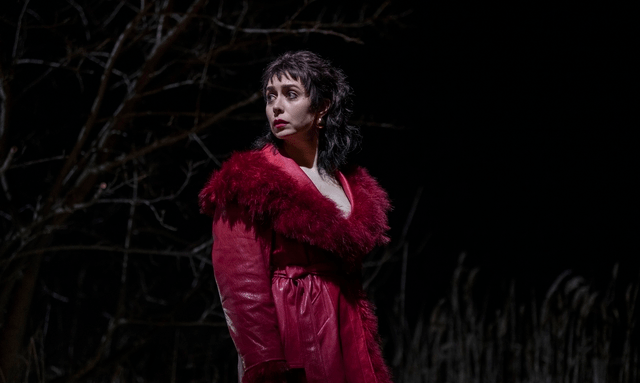
    Cristin Milioti’s performance in The Penguin feels like a victory. She’s been poised for a role like this for years, delivering brilliant performances one after another over the last decade. Last year, we finally got to see everything she can do. The Penguin didn’t always work, but when it did, it was largely because of Milioti. Her performance was equal parts kinetic and quiet, maintaining the tension that she could emotionally boil over at any moment. If the Joeys handed out awards for best eye-acting, she’d be a surefire winner. Maybe we should do that next year.

    Bella Ramsey, The Last of Us

    I won’t hear any criticism of Bella Ramsey’s performance in the second season of The Last of Us. This season introduced a new version of Ramsey’s Ellie — a bit older and far more emotionally unbalanced. Watching Ellie slip deeper into the darkness and rage at her core was equal parts heartbreaking and disturbing, but every step of the way, it felt true. I understand that fans of the video game this show is based on may take issue with the adaptive changes this season, but holistically speaking, this performance is fantastic. I refuse to entertain the narrative that Ramsey isn’t up to the task. Not only are they fantastic as Ellie, but they’re one of the best actors working right now. I hate that I have to defend Ramsey like this — but that’s what the internet does to discourse around popular TV.

    And the Joey goes to…

    Bridget Everett, Somebody Somewhere
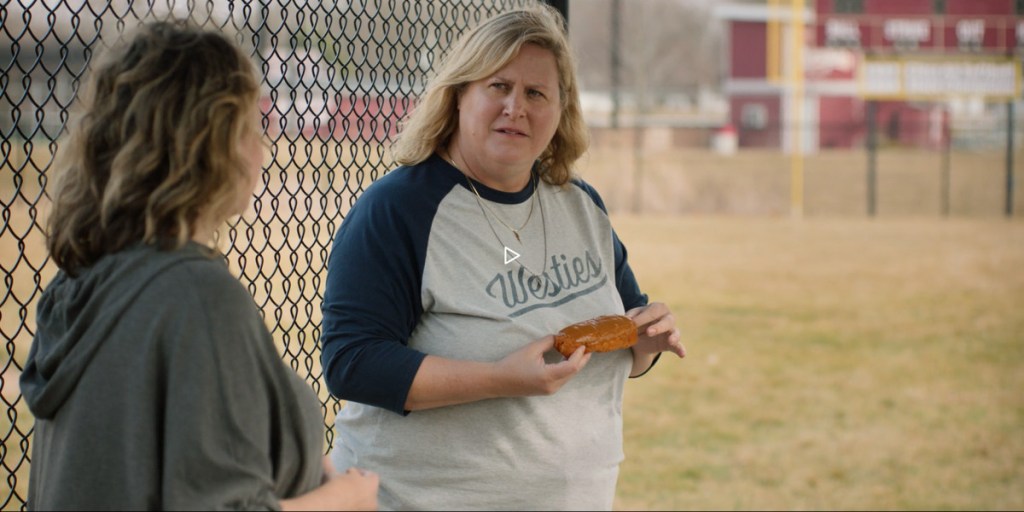
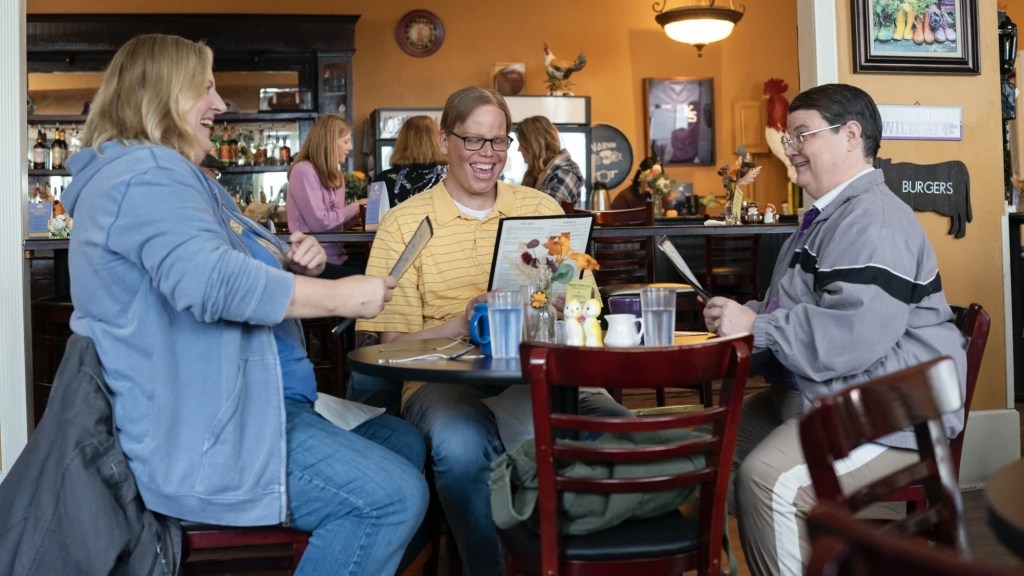
    If you’ve seen Somebody Somewhere, this pick shouldn’t surprise you. Bridget Everett gave one of the most well-rounded performances on TV in this show’s final season. She can handle emotional highs and lows, remain an unstoppable comedic force, and showcase her incredible musical talent — often all at once. Saying goodbye to this show is going to be difficult for me, as no other series has pulled at my heartstrings as consistently. But I can rest easy knowing that Everett, along with the rest of the ensemble, left it all out on the field. It’s incredibly rare to find someone as multitalented as Everett, and I’m completely confident she’ll be back on our screens in no time. If you haven’t seen this show, run — don’t walk. What may seem on the surface like an overly gooey feel-good story is much more. Somebody Somewhere is about loving yourself unapologetically, and while that may sound obvious or mawkish, Everett’s performance shows it’s vital and urgent.


    Congratulations to our 2025 Joey winners! Trying to put into words what makes a performance work is easier said than done, but that only drives home the point that the beauty of acting lies in its intangible qualities.

    Thank you for reading, and remember—we’re just days away from the returns of The Bear and Squid Game. Hopefully, they’ll make this early summer lull feel a bit more exciting.
  • ‘Adolescence,’ ‘The Studio,’ and How to Rip From the Headlines

    ‘Adolescence,’ ‘The Studio,’ and How to Rip From the Headlines

    Keeping up with this has been harder than I thought. Turns out having a full-time job, a packed TV-watching schedule, and an insistence on sleeping eight hours each night is a difficult balance to strike. Add on this little endeavor, and it starts to feel like an unwinnable game. Speaking of games, season two of The Last of Us premieres this week. That show is special, and we should throw a parade in its honor.

    I’ve been watching a lot of uninspiring stuff on TV recently. Due to my obsessive nature, I have a compulsive need to finish what I start when it comes to shows. So while you’ll see me out in the real world talking about The White Lotus and The Pitt, just know that behind closed doors I’m also sitting through Dope Thief and the third season of Yellowjackets. That’s part of what I’d like to talk about today: the line between the good stuff and the significantly less good stuff.

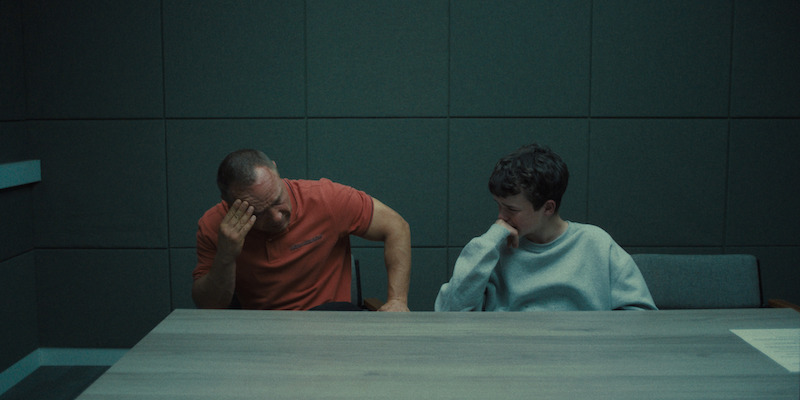
    Like many of you, I was caught by surprise when Netflix dropped Adolescence last month. I had never heard of this show, and when people started recommending it to me, I assumed it was the usual Netflix slop (no offense, Netflix—it’s just that you make so much slop). I was wrong. This show is incredible. I watched all four episodes in a day. If you haven’t watched it, go watch it. It’s good. If you like good things, you’ll like it. Stephen Graham and Ashley Walters—actors for whom I’ve been a season-ticket holder for years—are incredible in it, and Owen Cooper, who was only fourteen years old at the time of filming, feels like a true discovery. Add on the fact that the writing is incredible, and the gimmick of each episode being a oner doesn’t feel gratuitous, and you have the ingredients for the best show of the year so far.

    What surprised me most about Adolescence was the degree to which I connected with its subject matter. TV and movies are constantly trying to tell stories that feel pertinent to the current moment—this has been a trend since the creation of the moving image. In recent years, I’ve started to bristle at this, with shows feeling like they are more commentary than story, and I don’t think I’m alone in that. Perhaps it’s because the current media landscape is relentless, and any news story that’s trending feels inescapable—and the last thing I need is more of it in the media I consume. Perhaps it’s because original stories are risky to produce, and it’s easier to put out a satire or a commentary on a topic we’re all familiar with, and thus we’re just a bit oversaturated with this type of story. It’s hard to pinpoint exactly where this disconnect comes from, but after saying for months that I was done with any show trying to weigh in on a contemporary issue, I was floored by Adolescence.

    In case you don’t know, Adolescence spends a lot of time dwelling on loneliness in today’s youth, the effect of the internet on teenagers, and growing sentiments of misogyny in the world. I was ready to write this show off as another example of “show produced by a tech giant attempts to shine a light on the manosphere,” but what we got was a graceful, thoughtful meditation on modern dysfunction that was more interested in character than buzzwords. Never in this show is a character reduced to stereotype; there are never easy answers, and nothing is tied up neatly. Creators Jack Thorne and Stephen Graham are not here to explain this problem or attempt to solve it—they are merely putting a face on it. This show is ripped from the headlines, but it has no interest in feeding me an answer to the ills of the world. Instead, I am viewing an issue through the eyes of characters that feel rich and grounded. That’s what makes this show work.

    The Wire used to do the same thing. Think drug dealers are evil and ruining your community? Here’s D’Angelo Barksdale. Think cops are nothing more than bullies who exploit the poor? Here’s Lester Freamon. David Simon put a face on these issues, and now you think twice before saying anyone is just one thing. People are complicated and contain multitudes, and sometimes we need TV to remind us of that. Not every show handles these issues with such grace, and it means the world to see a show like Adolescence step up to the plate.

    Last year I was subjected to watching the fourth season of The Boys. That show is doing all the things I assumed Adolescence would do—identifying issues of today and portraying them—but stripping all humanity from the issue. Now look, I get it, The Boys is a satire, and it is trying to lampoon Trumpian politics and internet culture, not show us the beating heart of these issues—but not all satire is created equal. The Boys does a good job of creating humorous parallels to political issues of today, but it seems disinterested in doing anything more than saying, “This is crazy, right?” This show has no responsibility to paint a nuanced picture of these issues, but the satire falls flat due to its ironic detachment. Homelander, for example, has become such a caricature of a fascist leader that all I can say is, “Yup, that’s what fascists are like.” Is it a humorous portrait of what today is like? Yeah, I guess. Does it make me feel literally anything? Not really.

    So Adolescence handles toxic masculinity well, and The Boys handles toxic masculinity less well—but they have different goals. Is the point that satire lacks heart and is destined to fail? Of course not. Satire often rules. In fact, there is a satire airing right now that is absolutely crushing it. Please allow me to introduce Seth Rogen and Evan Goldberg’s The Studio.

    When I first started seeing promos for The Studio, I was incredibly pessimistic (starting to think I’m wrong about shows a lot). Just five months prior, another show aiming to parody the film industry debuted: The Franchise on HBO. Never heard of it? Well, it wasn’t very good, so you’re not missing out. Both shows are satires of the world of movies—The Studio is focused on the development side, while The Franchise is centered on production. Largely the same subject matter, but a huge gulf in their effectiveness.

    The Studio is in love with the glitz and glamour of Hollywood. You can see it in its production design, visual palette, and overwhelming star power. The show follows a cinephilic studio head trying to make sense of the battle between art and commerce, and you can see Rogen and Goldberg’s passion for the world of movies in every frame. At times, the show is irreverent and at others sincere, but you can always feel, at its core, a great deal of admiration for the medium it’s focused on. On the flip side, The Franchise is much colder, painting a film set as a purgatorial wasteland where dreams go to die. The craft of making movies is shown to be a slog—one that is both draining and soul-crushing. The odd thing is, they both have the same thesis: we love movies, and the current industry landscape is ruining them. Yet the two shows could not feel more different in tone.

    One could easily say that the reason The Franchise, which was recently canceled by HBO, doesn’t work as well as The Studio is as simple as it not being as funny, but I think the issue is one centered around heart. I know movies are dying. You know movies are dying. Getting a few laughs at the film industry’s expense is great and all, but it feels far more worthwhile to me to do it with a little bit of soul. Have your audience buy in while you roast Hollywood. I’ve been saying for a very long time that the most important thing in effective television is character, and I think the discrepancy between these two shows really underlines that. Show me a real person—I’ll laugh harder, smile wider, and cry uglier.

    So that is the line between the good and the significantly less good. Introduce me to someone new who makes me feel like I’ve known them forever. If you do that, you can lampoon whatever you want—and if you rip something from the headlines, you’d better have the characters to support that issue. Adolescence did that, and we’re all better for it.

  • ‘Severance,’ David Lynch, and My TV Midlife Crisis

    ‘Severance,’ David Lynch, and My TV Midlife Crisis

    SNL 50 aired two nights ago, which has finally given me the motivation to write this. I can’t quite put my finger on why that is, but somewhere between Paul Simon and Sabrina Carpenter’s grandpa-granddaughter vibes and Bill Murray getting emotional during goodbyes, a feeling I’ve been wrestling with for a while seemed to crystallize. I have had a relationship with SNL for as long as any other show in my life. There’s something poetic in that.

    For almost exactly a month, I have been having conflicting feelings about TV. While it’s an incredibly shameful thing to admit, television might be the most important thing in my life. I work in TV. When I’m not working, I watch a lot of TV. I’m constantly thinking about TV. I started writing about TV as an avenue for one of my favorite pastimes: talking about TV.

    Those feelings have recently become slightly complicated. I still love TV, but I feel the way I think about it shifting. Today, I would like to attempt to explain that to you. Part of me believes that by writing this, I will be working through my relationship with the small screen, while another part thinks it may inspire you to examine your own feelings about TV—or anything else you’re passionate about. If this post gets weird and incoherent, please forgive me. The thoughts that have been racing through my mind in the last few weeks have been either the most pretentious or least pretentious of my life—I truly don’t know. The idea I’m going to try and explain is a smidge abstract, so if you read this and think it makes absolutely no sense, that’s totally fair. I ask that you hang in there (cheeky reference to Severance to show my incomparable wit) until my next post, which I promise will be more normal.

    By the way, I am going to very minorly spoil Twin Peaks (both the original and The Return) and Lost, and very majorly spoil Severance today. Hope that’s cool with you.


    About a month ago, David Lynch died. I’ll be honest—I had not seen most of his movies before he died, and I have not watched any since. I have spent a lot of time thinking about him, though. Lynch’s Twin Peaks is definitively one of the greatest shows ever made, and it has influenced many of the greats that have come since. Damon Lindelof, the creator of Lost and The Leftovers (and my favorite writer of all time), has spoken in the past about the influence Twin Peaks had on him. Its DNA can be found all over the TV world, including in several shows on the air today, with Severance chief among them. Not bad for a show that premiered thirty-five years ago.

    When I first watched Twin Peaks, I wanted to know the answers. What is the Black Lodge? What’s up with the owls? Is that creamed corn in that kid’s hand? When I watched it again years later, I wanted to find the core truth of the show. Is there evil in all of us? Can we ever truly fix what is broken? What is worth saving? When I watched it yet again years after that (I know, I have to start going outside), I was left wanting nothing. I had the answers. Why was Audrey randomly dancing in the diner? Why did Leland’s hair turn white? What year is it? I don’t know, but I know how I felt watching it. People have tattooed the word “surrealist” all over Twin Peaks. If I were to attempt to explain my TV midlife crisis to you in a sentence, it would be this: Surrealist is just a word. The feeling is what matters, not the smart-sounding words you use to explain it.

    So that is what I have been wrestling with recently. I love to talk about TV, to break it down and dissect it, but I believe that doing so sometimes misses the point. There is pain and wonder and beauty in simply sitting in the feeling you get from watching a show. Some of the greatest feelings I have had in my life were shared only by me and my television screen (is that sad?). I find myself at a crossroads. I want to engage with the shows I love in the way that best suits them, but I also can’t show up to work and be like, “Did you enjoy the indescribable feeling you got from Helly R. and Mark S. talking in the bathroom on Severance last night?” If I did that, people would think I was insane. I don’t have a solution to this. The balance between these two ways of connecting with TV is still unclear to me. I want to put a name to the feeling without losing it entirely, but right now, I just don’t know how.

    My TV midlife crisis has been at the forefront of my mind, especially on Thursday nights. I was season-four-of-Succession-level excited for the return of Severance. The first season of Apple TV’s sci-fi hit was a truly remarkable work that checked every box: top-tier performances, an exciting and fresh visual language, Lynchian mystery laced with modern-day commentary. While its second season has sustained—and, in some cases, surpassed—the achievements of the first, something in Severance is hitting my ear wrong. Through the first few episodes, I couldn’t quite pin down what I was bumping against, but I think my issue with this new season is very much in line with the pending philosophical shift in my TV psychology: Severance wants me to care about the answers.

    Don’t get me wrong—this show is still an incredible achievement. The returning cast have somehow stepped up their game from its previously high level, and they have managed to raise the stakes of the show while refusing to narratively tread water. In fact, I think that is the problem. We are being given too much. In the first season, we were shown incredibly weird stuff a couple of times per episode, and before we had time to ask about it, we were back with Irving and Burt as they found wholesome love in a sterile environment. In my opinion, that is where the show shined brightest. There could be waffle parties and conspiracies about departments having pouches, but at the end of the day, it was a story about people. Sometimes this feels hard to explain, so perhaps I’ll use an example. Let’s talk about the weirdest, most surreal Severance mystery of all: the goats.

    When our heroes attempt to investigate the goats this season, our understanding of the role of barnyard animals on the show is expanded—albeit minimally. They find an indoor meadow, dozens of goats, and a gaggle of Lumon employees. In terms of small-scale Severance mysteries, this one was near the top. I had been dying to see more of those goats. Yet I felt nothing.

    On the other hand, there is no word for the feeling in my chest when I first saw Mark S. and Helly R. find a man in a suit nursing a baby goat, insisting that they were “not ready.” I don’t feel a need to reach for that word. I felt it. You probably felt it too. It was a brilliant moment, but it didn’t feel vital. It unnerved all of us, and then we went right back to watching the four members of MDR grow closer and more aligned. Severance delivered an electrifying moment and then allowed the viewer to appreciate the negative space around it.

    Is this simply a case of expectation being the thief of joy? Maybe. I would posit, however, that the issue at play here is a bit more complicated. The goats in season one were a flourish of mystery, while in season two, they felt like a clue. What dawned on me after this episode is that there is no explanation for the goats that will feel satisfying. To me, the only interesting thing about the goats is simply that I did not expect these corporate offices to contain goats. Knowing why or how they got there cannot possibly live up to the “what the fuck” moment their introduction provided.

    Maybe this seems pessimistic or like an underestimation of the creatives behind Severance, but I would like to turn your attention to another show that ran into this very situation—the 2000’s classic Lost. Towards the end of Lost‘s six-season run, many of these smaller, goats-level mysteries were answered, most notably the whispers that characters would hear while they were alone in the jungle. In the final season, the whispers were explained, and it left me with a lingering question: who cares? The whispers are ghosts, I guess? I would have—and I believe you would have—been more satisfied if we never got an answer. All you would have is the feeling of seeing my boy Sayid running through the jungle, freaked out by those whispers. That feeling is more powerful than any explanation could have been.

    Severance is a great show, and it has a chance to be an all-timer, but this quibble of mine speaks to what this show can be, not what it isn’t. This show should not be about Reddit detectives gleaning Easter eggs from screenshots—it should be focused on the wonderful ideas upon which it has built its emotional foundation. The fourth episode of this season (the gang goes glamping) featured some of the most brilliant character work on TV this decade, and in those moments, Severance shines. We are witnessing a show that wants to examine grief, love, and loneliness, and I will be watching Severance hoping for resolution on that—not on the meaning of those laminated cards my king, Dylan G., stole last season.

    Writing this blog (I hate that word every time I write it) has been a great joy for me, and while it is nearly impossible to keep up with when I’m working, it has become an outlet that I enjoy and am constantly looking forward to developing. I still plan to break shows down in a more traditional sense going forward, but I think what I am trying (hopefully successfully?) to explain here is useful to keep in mind when you’re watching a show like Severance. I want to know what those weird dental tools were for as much as the next guy, but we enter dangerous territory when that is the thing looming largest in my mind. If this made sense to you, that’s great—I appreciate you reading all of this, and I hope you think about my TV midlife crisis in the future. If you found this to be the ravings of a TV-obsessed maniac, please keep in mind that I just tried to explain to you that we shouldn’t explain things—and consider whether you would do a better job.

  • ‘American Primeval’ is Metal, If You’re Into That Sort of Thing

    ‘American Primeval’ is Metal, If You’re Into That Sort of Thing

    Been a minute, but I’m back. I would’ve written something sooner, but these pills I’m taking to quit nicotine keep making me nauseous. Anyway.

    In a time with no monoculture, where no one is watching the same things, it can be hard to tell what shows are connecting with people. However, only three things are inevitable in society today: death, taxes, and Netflix. Seeing as American Primeval hit number one on Netflix last week, I figure enough people have seen it—or at least heard of it—that I can write about it and somebody somewhere will give a shit.

    But that leads to another interesting question about what exactly it is I’m trying to accomplish with this (I hate the following word) blog. In theory, I want to talk about shows in the hopes that you, dear reader, will watch them. On the other hand, I don’t want to be hamstrung by not being able to spoil these shows, because there’s stuff I want to talk about that ranges from light spoilers to “end of The Sixth Sense” level spoilers. I think I may have found a solution to this. It might end up being a dumb solution, but we’re going to go with it. Towards the end of this post, I’m going to do a big spoiler warning, and after that, you can proceed at your own risk. Got it? Cool.

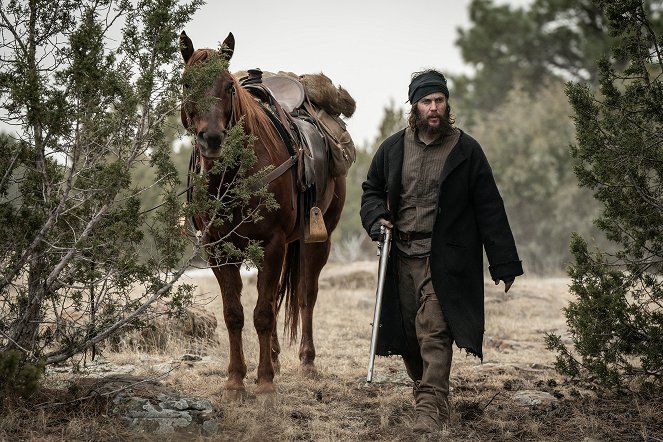
    I expected very little from this show, and that’s my fault. I’ve been so distracted by Severance coming back that I haven’t focused on much else. Turns out, American Primeval is metal as all get out. While this show’s creator, Mark L. Smith, might not be a household name, he does have one particular credit to his name that should have put us all on high alert for this show. That’s right—this Mark L. Smith guy co-wrote one of the best movies of the 2010s, The Revenant, with Alejandro G. Iñárritu. (By the way, if you like The Revenant as much as I do, there are like three dudes in this show giving off the same vibes as Tom Hardy in that movie.) His new project feels like a return to the same mood of the 2015 film, inverting the view of the 19th-century American West, painting it as a place of physical hardship, and sucking out all of the romantic beauty we have become accustomed to when seeing it on our screens.

    American Primeval toes this line perfectly. Shot on location in New Mexico, we are given classic Western vistas, from gorgeous plains to harsh mountains, only this time the color palette is drawn away from brilliant golds and greens toward dull browns and grays. One of the recurring locations is Fort Bridger, an oasis for lowlifes and cutthroats, which is shown to merely be a pile of sticks on a bed of mud. Nothing in this world is clean, and while some of it may be beautiful in its scale or majesty, none of it is pretty. Peter Berg, who directed the entirety of the series, gives us this unvarnished look at the West while employing his signature, steady-cam-heavy style. Berg is a fantastic match for Smith’s script, bringing us up close and personal with the West’s harsh realities, never letting the viewer turn a blind eye to the brutal lives led by our characters.

    Now that I’ve gotten all that artsy stuff out of my system, let’s get back to my main point: this show is hardcore. It’s been a long time since I’ve seen a show this brutally violent. American Primeval is set in 1857 around the Mountain Meadows Massacre, in which a Mormon militia brutally murdered approximately 120 people. I know what you’re thinking, and yes, they show the massacre, and yes, it’s incredibly gory. If you don’t like blood and guts on screen, I don’t blame you, but this show probably isn’t for you. This show doesn’t shy away from violence in any form; people get their heads bashed in, throats slit, scalped, surgery to fix that scalping, and some far less savory things that I would feel yucky even typing on here. And they show almost all of it. Sometimes horrifying, sometimes just plain gross, but we see some shit on this show.

    To many, this may seem gratuitous, but it gets at an underlying theme that I think drives this show home: this land does not want you. Our main protagonist is Sarah, played wonderfully by a personal favorite of mine, Betty Gilpin, who is traveling across the West with her son to reach her husband. As she makes her journey, she naturally faces some challenges and setbacks, forcing her to ask if she is capable of making this voyage across a country that is seemingly rejecting her—a struggle strongly mirrored by her lingering fear that her husband will reject her upon her arrival. Maybe she shouldn’t have come West in the first place.

    Gilpin headlines a cast that is full to the brim with TV all-stars, including Kim Coates, Shea Whigham, and Joe Tippett. There are a few cast members in particular who put up performances worthy of being singled out, including a personal favorite, my boy Dane DeHaan. His character, Jacob, doesn’t always work for me, but the performance is fantastic, playing jump rope with the line between mercy and madness. DeHaan has been magnetic on screen for over ten years, and he continues that run here.

    Playing opposite DeHaan is Saura Lightfoot-Leon as Jacob’s wife, Abish, and she looks to me like a rising star. Lightfoot-Leon is certainly having a moment right now, with American Primeval and The Agency airing concurrently, and she is dazzling and undeniable in both. Her power on screen is startling for an actor as new to the business as she is, bringing an air of “there’s more behind her eyes” to scenes of both high and low energy. I fear I might be jumping the gun by crowning her a star of tomorrow, but in the past two months I have seen her display acting chops that are tough to come by. Definitely a performer to keep an eye on.

    At the center of this show is Taylor Kitsch’s character, Isaac. I have waited what feels like millennia to have Kitsch back in my life in a meaningful way, and I know I’m not the only one. After the end of Friday Night Lights, it felt like Kitsch had a chance to be an A-lister. He brought a depth to the character of Tim Riggins, which in lesser hands would have been just another jock on a teen show. I had to sit idly by while Kitsch was wasted in project after project (I even got my hopes up for his role in the second season of True Detective), but now I finally get to see the return of his unparalleled skill at playing a tortured badass. He brings a sullen pain to this role that is not easily replicated, drawing the viewer in while simultaneously keeping them at arm’s length. Performances like this one make viewers clamor for more of a character’s backstory, and this one is no exception. American Primeval’s cast is fantastic across the board, but it is the offbeat performance of Kitsch—one that makes you lean in when every fiber of you says lean back—that carries the heart of this story.

    If you read this and want to watch the show, first of all, thanks. It means a lot that you’re taking my TV advice. Most people don’t. Second of all, happy hunting. American Primeval is definitely not for everyone. It’s rarely pretty and often horrifying, but it’s buoyed by performances and direction that are rare to find in our dystopian streaming era. This is by no means a perfect show, but it is certainly metal. If your goal is to avoid spoilers, this is where I leave you, but maybe you can come back and read the rest of this after watching the show.


    *** SPOILER ALERT FOR ALL OF AMERICAN PRIMEVAL ***


    Now I can get into the nitty-gritty. For those of you who have seen the show, or just don’t care and want to hear what I have to say, I’ll catch you up. Reluctantly, Kitsch’s Isaac helps Gilpin’s Sarah and her son traverse the dangers of the West. During their journey, Isaac and Sarah fall for each other, and in the end, Isaac dies protecting them. Meanwhile, Lightfoot-Leon’s Abish is taken in by the Shoshone tribe, and DeHaan’s Jacob fruitlessly tries to rescue her. In a raid on the Shoshone, Jacob unwittingly kills Abish and then takes his own life. Now you’re caught up.

    Both of these plotlines feel narratively fulfilling and, at points, even poetic. Jacob’s mad search for his wife leads to her death—what a twist! Isaac didn’t care about anybody, but then he met a nice lady and her son, and he learned to open up. Good for him! Stories like this feel obvious and tropey for a reason: they work, and they always have. No new ground is being broken here, and that’s just fine with me. American Primeval feels in many ways like a lesson to me, which is why I opted to write about this show and not The Pitt. The lesson is simple: love the one you’re with. This story is allowed to feel obvious and simple because it does not attempt to be anything else. Berg and Smith have taken a genre and a story that has been told over and over, and they have put their spin on it. That’s great.

    Therein lies the question. I truly enjoyed this show. American Primeval set out to deliver a very expensive, blood-soaked, earth-toned, simple story—and it nailed that. I also learned a lot about the Utah War, and learning is great. However, upon finishing this series, one glaring question clouded my mind: so what? What is this show trying to say? Is there some deeper meaning so profound and complex that my tiny brain just can’t grasp it? Most importantly, does this show have a responsibility to say something more?

    And that, dear reader, is the problem with this series I’ve been wrestling with. It tells a story that feels familiar but doesn’t offer any new ideas. Opening your heart, keeping an open mind to other cultures, and defending what you love with your life are great messages, but they don’t feel novel or groundbreaking in any way. Shows like this are fertile ground to Trojan horse an idea into the text. Especially from a series with two brilliant creatives behind it, one might expect something profound to chew on afterward. Instead, we are left with an “I liked the scene where Tim Riggins killed those guys” type of show.

    But maybe that’s okay. Maybe I can enjoy this show for what it is trying to do and not for what it seemingly has no interest in. It feels unfair to grade harshly based on missed opportunities. It’s more appropriate to evaluate it based on misfires, of which this show has few. I’ve chosen to meet this show where it is, to use my microscope to study what it puts forth, not the vacuum surrounding it. I enjoyed American Primeval for what it is, and while I thank you for reading my thoughts on what it’s not, they shouldn’t detract from the series itself. So, if your interest has been piqued by anything I’ve said here, give American Primeval a whirl, and remember: love the one you’re with.


    Give this show a shot if you like:

    • Westerns
    • Blind, hateful violence
    • Tim Riggins
    • Familiar stories told in new ways
    • The Revenant
    • People who aren’t Tom Hardy but are totally Tom Hardy
    • Dunking on the Mormons
  • 5 TV Shows to Be Excited About in 2025

    5 TV Shows to Be Excited About in 2025

    I don’t know what the odds were of me writing something again, but it happened. Good for me, I guess. Maybe good for you as well.

    Two shows of note are premiering tonight: Max’s The Pitt and Netflix’s American Primeval. I have not seen these shows yet. I will certainly watch them, but at the moment, I know about as much as you do when it comes to whether they’ll be any good. So, I figured this calm before the 2025 storm might be a good time to highlight a few shows that should be appointment viewing for you later this year.

    Below are five shows I’m really excited about. If you’re looking for a television-related reason to wake up in the morning this year, I’m confident one of these shows will do the trick.

    Severance (Apple TV+)

    Season 2 Premiere Date: Friday, January 17th

    We’re so back. A three-year wait is thoroughly ridiculous, but if any show is worth that wait, it’s Severance.

    I just finished a season one rewatch to prepare myself for next week, and this show is even better than I remember. Everything in Severance operates at a high level: the production design is stunning, the ensemble cast refuses to stop throwing gas, and the direction from Ben Stiller and Aoife McArdle constantly has you asking, “How in the world did they film that?”

    The prolonged wait between seasons has stopped us from asking the questions that filled our minds back in the winter of 2022 when this all started. When did certified good actor Adam Scott decide to become great? Why is renowned “that guy” Zach Cherry the funniest person I’ve ever seen? Who is Tramell Tillman, and why can’t I look away when he’s on screen? How did they get Patricia Arquette, John Turturro, and Christopher Walken to say yes to this weird, haunting, hilarious, thrilling, perfect show?

    The thing I find most exhilarating about this show is its balance between fun and medicine. Severance simultaneously leaves you enraptured by its plot while also exploring more ideas about our world than one could summarize in a single blog post. Themes of greed, work, love, and connection are beautifully laced throughout a show bursting at the seams with Easter eggs and WTF moments. The last show I saw pull something like this off was Lost, and while I hesitate to compare the two, there is something similar in their DNA.

    My excitement for this season is boundless and has only grown with every casting announcement for season two. Whether it’s the incredibly talented Alia Shawkat, my boy Bob Balaban, or Ólafur Darri Ólafsson (coming off a great performance in Somebody Somewhere—which you should also be watching), Severance continues to add absolute hitters to its ensemble. If you’re not watching this show yet, you kind of have to. This one might be generational.

    Too Much (Netflix)

    Release Date: TBD

    Admittedly, I have less to go on for this one. Too Much is the upcoming series from Lena Dunham and her husband, Luis Felber. Described as a romantic comedy, it stars Megan Stalter and Will Sharpe in the lead roles, known for their work in Hacks and The White Lotus, respectively. The cast also boasts more powerhouses than I can name, including the fantastic Richard E. Grant and the ever-perfect Andrew Rannells.

    While it’s typically unwise to get carried away with a show before a teaser has even dropped, I’m going to allow myself that luxury. Embarrassingly, I didn’t watch Dunham’s masterpiece Girls until this past year, but we are in dire need shows like that back on our screens. It’s incredibly rare—and at times feels impossible—to find a series as brilliant, sharp, and utterly singular as her HBO hit. Although there’s no guarantee that Too Much will meet the same high standard as her earlier work, I’ll still be there the day this drops. Dunham is always worth betting on.

    Too Much might also be the kind of show we need right now. In recent years, romantic comedies have shifted from the big screen to the small screen, and more often than not, I’ve found them lacking. Whether it’s Nobody Wants This or The Sex Lives of College Girls, most of these attempts have felt like “tweeners”—stuck somewhere between a Fleabag and a How I Met Your Mother, struggling to find their footing. I have faith that Too Much could be the show that proves it was meant to be a series, not a movie, and finally cracks the code on what the tone of a TV rom-com should be.

    The Rehearsal (HBO)

    Season 2 Premiere Date: TBD

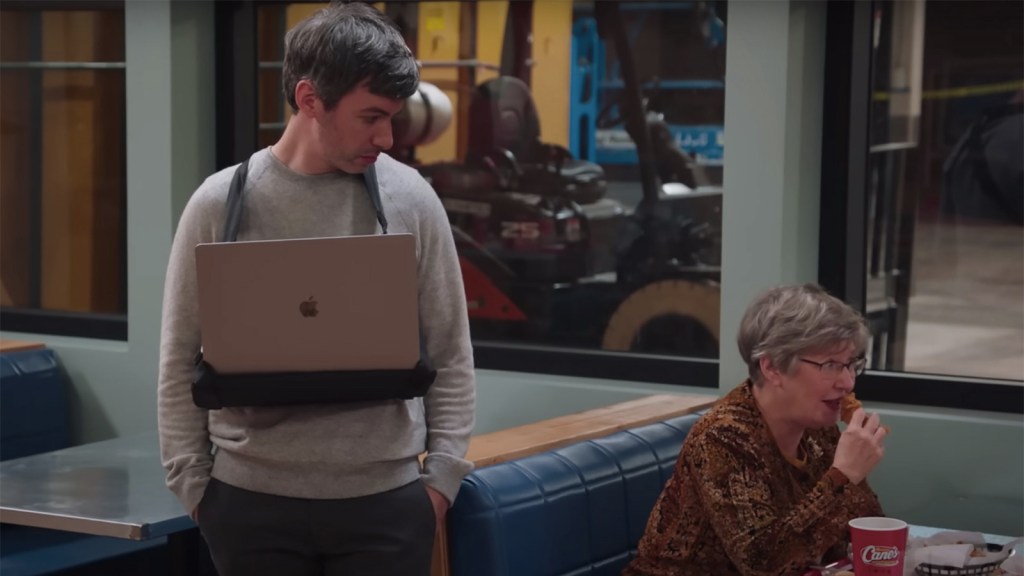
    I can’t believe it’s really happening. Frankly, the first season of The Rehearsal exploded my brain. The basic premise involved Nathan Fielder helping real people rehearse life events to better prepare for them, but the show became so much more than that. With each passing episode, it evolved dramatically in exciting and challenging directions, making you both crave and revile the institution of reality TV.

    Fielder is eternally controversial. Many consider him the comedic voice of a generation, while others abhor what they see as “gotcha” TV. Personally, I fall into the former camp. Yet, even if you’re in the latter, you can see him wrestling with the ethics of his creative choices in real time throughout the first season of The Rehearsal. Regardless of where you stand on the morality of his productions, it’s undeniable that Fielder possesses something very few creators have: ideas. Honesty, presence, intimacy, parenthood, aging, comedy, religion, and art itself are all placed under the microscope in this series.

    What excites and unnerves me most about the idea of a second season is that it could be anything. Will Fielder revert to the “monster of the week” style he originally planned? Or will the success of the first season inspire him to create another ever-changing rollercoaster ride? If I’ve learned anything from Fielder’s past work, the answer is: both and neither. Nothing gets me more revved up than when a show delivers something I’ve never seen before, and if any show can do that, it’s this one.

    The White Lotus (HBO)

    Season 3 Premiere Date: Sunday, February 16th

    I know I’m stating the obvious, but the third season of The White Lotus is going to be a big deal. HBO’s anthology smash hit is coming back next month, this time taking us to Thailand, and I’m more than ready to dive back into a world of class satire, wealth porn, and murder.

    The previous seasons of The White Lotus had casts any other show would kill for, but this one feels like it was made just for me. Personal favorites of mine are in the mix this time, namely Carrie Coon. Maybe this is a hot take, but Coon delivered one of the ten best performances in the history of scripted television on The Leftovers, and I can’t wait to see what she brings to the table here. Walton Goggins is also joining the cast and is quietly becoming one of the most decorated TV actors in history. These two alone would be enough, but they’re joined by a laundry list of incredible performers, including Parker Posey, Michelle Monaghan, and Jason Isaacs. To top it all off, Natasha Rothwell is returning to reprise her role as Belinda, the masseuse from season one.

    Maybe this cast speaks to you as it does to me, or maybe it doesn’t. The one thing I do know is that with Mike White at the helm, the sky’s the limit for this show. I’ve enjoyed every ounce of it in the four years since it premiered, and I doubt this season will be any different. The second season somehow exceeded the heights of the first, and while I don’t want to get my hopes up, the third installment has the potential to reset the standard for this series.

    Wycaro (Apple TV+)

    Release Date: TBD

    This one might even have a different title by the time all is said and done. Wycaro, also referred to as Wycaro 339, is the upcoming series from Breaking Bad and Better Call Saul creator Vince Gilligan. The series stars Rhea Seehorn (Better Call Saul) and Karolina Wydra (House, True Blood). While little is known about the plot, it’s expected to be a grounded sci-fi series set in modern-day Albuquerque, and it will not focus on an anti-hero, as many of Gilligan’s past works have.

    Apple TV won the bidding war for this series in 2022 and greenlit it for two seasons. Much of what we know about the show at this point is still conjecture, but when Gilligan, one of the seminal figures in 21st-century television, has a new project, everyone should take notice. Not only is one of the most brilliant minds in television history returning, but he’s once again collaborating with Seehorn, who delivered a visionary performance in his last series, Better Call Saul.

    For the past year and change, I’ve been struggling to contain my excitement about this series. Apple has been tight-lipped regarding any details about the project, and rumors about filming locations and co-stars are constantly swirling. We know we’re returning to Albuquerque, and we know this time we won’t be focusing on crime and morality. But for me, all I needed to hear was that Vince was back. No matter what this show ends up looking like—or what the title ends up being—I can’t wait to learn more. If you need me, I’ll be refreshing Variety for the rest of the year.

  • Top 20 TV Shows of 2024

    Top 20 TV Shows of 2024

    Hello. This is the first post I’m making. It might also be my last post, frankly I’m undecided. I make this list every year and my friends said I should post it. You win, friends of mine.

    Making a list like this feels a little bit clickbait-y or ESPN talking head-y, but honestly this is the aspect of television that takes up most of my bandwidth. I am constantly thinking of how shows stack up against each other, especially in the context of the year in television as a whole. Essentially, I don’t find that a ranking like this reduces art into competition, on the contrary I think comparison like this helps people shape what they are looking for most in a TV show. Totally fair if you disagree with that, though, you are welcome to not read this. Maybe I shouldn’t be turning away readers in my first post, though…

    Anyway, let’s get to the list. Despite this year’s lack of a flagship show like we’ve had in years past, some incredible stuff came out this year, and you should be watching it. The only criteria for a show to make this list is that it is a scripted narrative show that aired in its entirety in the year 2024 (sorry, Renfaire, there’s one every year). And if I left out a show you like, that means that I either didn’t see it or I thought it was bad. Here we go!

    20. Squid Game (Netflix)

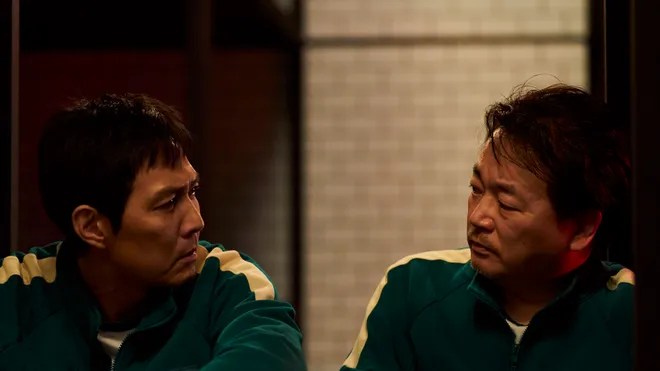
    I have no idea what the collective consensus is on season 2 of Squid Game. I might be too high or too low, a hater or a fanboy, I have no idea. Fittingly, though, Squid Game is in this spot because it feels like it’s stuck in the middle. The continuation of the South Korean smash hit seemingly can’t decide if it wants to act as a sequel to the original or if it wants to play the hits on the thrills of season one. The show still dials up the intensity in a way only Squid Game can, but as a viewer I am stuck not knowing what is supposed to be most important. Is this season about Gi-hun’s revenge or should I throw myself into the brilliant cast of new players? And if it’s both, surely the abrupt ending of this season leaves those two avenues underserved. Either way, despite its anticlimactic finale and wishy-washy focus, season two still feels like the Squid Game of old, at least to a certain extent.

    19. The Gentlemen (Netflix)

    In Guy Ritchie’s first TV project in over 20 years, The Gentlemen give us a fun, stylish and delightfully over the top crime series. It has all of the typical Ritchie trappings, while adding the very 2020’s wealth porn that we all clamor to see on our screens (maybe we should stop clamoring). Theo James and Kaya Scodelario shine in the lead roles, with the former carrying himself as if he should have been tapped as the next Bond. The MVP of this show, however, is Daniel Ings, who refuses to stop knocking it out of the park as Freddy, the immature, coke-addled, rooster costume clad failson of the noble Halstead family. If you like British crime movies, particularly Ritchie’s, this one is right up your alley. Plus, Ray Winstone is in it, so it has to be good.

    18. The Penguin (HBO)

    In the interest of full disclosure, I should tell you that I thought this show was going to suck, which is saying something because I worked on it. But, fortunately for all of us, I was very wrong (this is not the only show I was wrong about, but more on that later). While Colin Farrell’s transformation is remarkable, this show rests on the performance of Cristin Milioti as Sofia Falcone. Her portrayal of a damaged, disillusioned, lonely and largely insane crime heiress eats up the screen, and this looks like the moment that Milioti goes from being a good actress to a household name. The Penguin often finds itself alternating between gangster movie ripoff and beautiful homage, but by the end of its eight episode run it strikes the perfect balance. If you like Batman stuff or mafia stuff and you’re not an asshole about it, you’ll like this show.

    17. A Gentleman in Moscow (Paramount+)

    Look, sometimes I can point to elements of a show or its visual style or its strong performances as points in its favor, but that’s not how I feel about this one. A Gentleman in Moscow works because the finale made me cry, ok? Is that so horrible? Ewan McGregor is as charming as ever, and the winding narrative is fascinating and fun, but what drives this one home is its meditation on found family. Whether its a fading starlet trying to reinvent herself, a cook too shy to declare his love or an orphan searching for a father, this show manages to bring a bunch of lonely people together, and while it can feel a bit too heartwarming at times, it’s still going to hit you where it hurts.

    16. English Teacher (FX)

    It’s difficult to discuss TV comedies without devolving into “let me explain a funny scene to you” territory, but believe me when I tell you, English Teacher is fantastic. Brian Jordan Alvarez’s new FX series is smart, biting and incredibly fresh. The ensemble cast shines, headlined by Sean Patton, who finally seems to be getting his due. Trust me, give this show a whirl, it has “staying power” written all over it. It may seem like I’m asking you to make a leap of faith with this show here, but if you’re looking for a sitcom to fill the void, this might be your best bet.

    15. The Sympathizer (HBO)

    This series is better than a cool poster and the “Robert Downey Jr. plays a zillion roles” gimmick. The Sympathizer is equal parts Coen Brothers-esque crime drama and intense spy thriller, and while it can feel meandering at times, by the end the show drives its point home. Sandra Oh is as spectacular as always, while relative newcomers Hoa Xuande and Vy Le feel like stars in the making. And yes, Robert Downey Jr. brings the heat while playing approximately four characters (although some come together better than others). If you have wanted your spy shows to have the courage to be weirder, then this one is perfect for you.

    14. Lioness (Paramount+)

    Yes, the Taylor Sheridan-verse has finally gotten to me. The calculus on this one is simple: Zoe Saldaña screams at people and then shoots people in the face, and occasionally some great espionage gets sprinkled in. It’s awesome. While the plot this season had moments where it faltered, and other moments where it didn’t really make any sense, Lioness was immaculately watchable throughout. It has exactly what I’m looking for in a guns blazing spy thriller, and I am going to stop writing this for a little and go watch some clips of Saldaña doing her classic screaming and shooting. Would recommend.

    13. What We Do in the Shadows (FX)

    In its final season, our favorite group of vampiric roommates got up to a lot. They took on Wall Street, faced their daddy issues and gave us a (sort of) heartfelt goodbye. Great guest stars continued to trickle in to tangle with our lovable undead friends, from Zach Woods to Alexander Skarsgård. WWDITS was as funny as ever in its last act, and I will sorely miss this lovely, hilarious, incredibly stupid classic show. If you haven’t seen this show then you should watch it, no matter your personal taste. And if you’ve seen it and you don’t like it, then you really are the most devious bastard in New York City.

    12. Baby Reindeer (Netflix)

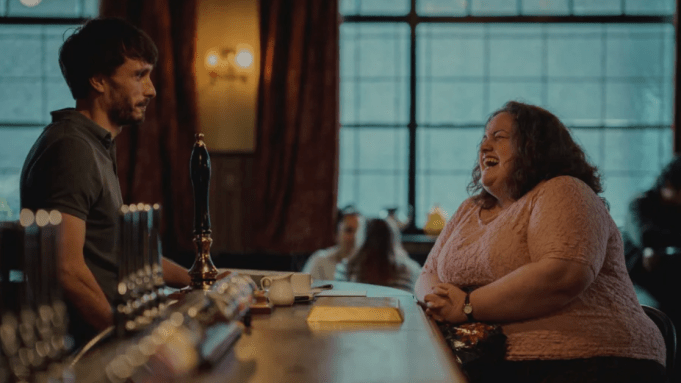
    Baby Reindeer is different. At times a psychological thriller, at others a love story, and all throughout an unwavering examination of trauma and the way it changes how you see yourself. Shows like this don’t come around very often, especially those with performances like what Richard Gadd and Jessica Gunning put forth. This one will make you want to curl up in a ball forever, and before you know it you’ll be clicking “play next episode.” A show this heavy isn’t for everyone, but if you find yourself in the mood to delve into the depths of a man’s psyche, or to be gripped by a story with too many turns to count, this show is just what you need.

    11. Hacks (Max)

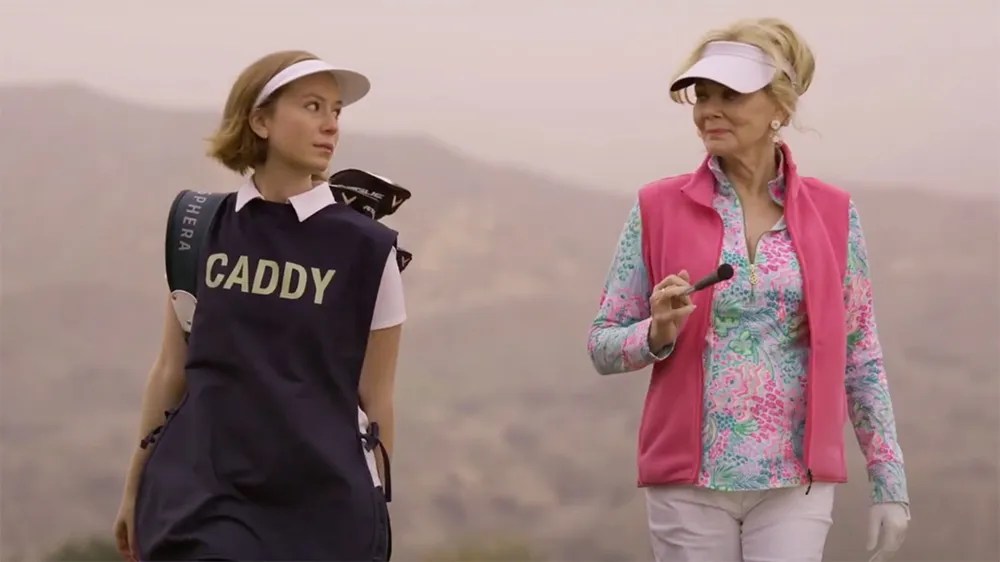
    Hacks may have taken a step back in its third season, but this show is still operating at a level most shows can only dream of. Hannah Einbinder and Jean Smart are as electric as usual, while Megan Salter and Paul Downs kick it up a notch this season. While this show is at its best when the ground is rockier between our beloved Deborah and Ava, Hacks can’t help but be sharp, lovely and downright hilarious. If you have somehow not watched this show, you need to rectify that as soon as you can, if for no other reason than to get our boy Christopher McDonald back on your screen.

    10. House of the Dragon (HBO)

    I’ll admit it, I read Fire & Blood, and yes, that has informed my experience with the second season of House of the Dragon. A few moments with this season frustrated me, largely due to many of our main characters being left to tread water for episodes on end as other plotlines are allowed to catch up to them, but all in all I would still give this season a passing grade. If not for the writer’s strike and some belt-tightening at HBO (damn you, Zaslav, give me my finale) this season may have ended on a satisfying note, but sadly we do not live in that world. The performances still sparkled this season, particularly from Tom Glynn-Carney and new cast member Kieran Bew, and the sheer scale was still a sight to behold. This show is still good, and I eagerly await its third installment, but boy is it frustrating when television economics make the shows I like worse.

    9. The Bear (FX)

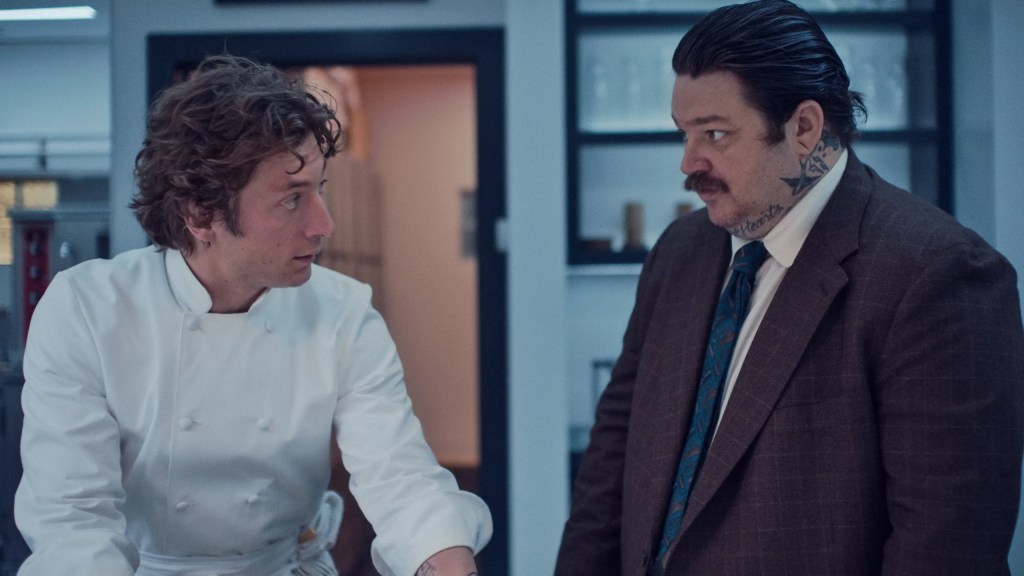
    Two shows in a row where my main gripe has more to do with the industry than the show itself. The Bear came back for its third installment this year, and many people, including myself, found it to be a bit lackluster. The entire cast still puts in brilliant work, and the show still maintains its tone that is entirely singular, but it is the pacing of the season where this show seems to fall flat. It’s no secret that The Bear was originally planned to be three seasons instead of four, so I don’t entirely fault the creative team for putting out a season that felt like an awful lot of place setting for the meal that will come next June. I do, however, feel the need to evaluate this show on its merits. Both can be true. It’s hard to judge this season for feeling like a season split in half due to network pressures, yet the third chapter of The Bear did not come close to the heights that the first two reached. I am hoping this will all feel worth it when I do my list next year.

    8. Fallout (Amazon)

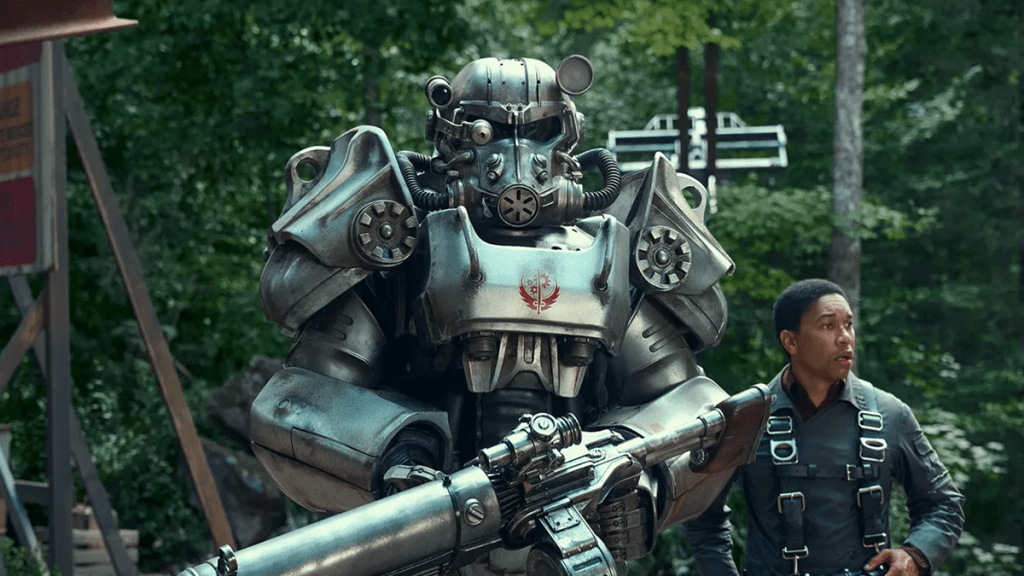
    This is the show I was the most wrong about. I thought Fallout was going to be a soulless cash grab mining the fandom of a video game I never even played, but when I saw my number one boy Michael Emerson in the trailer, I had to give it a whirl (I also worked in the office next to them in New York and would freak out whenever Kyle MacLachlan walked by). I was floored by the balance this series was able to strike. Darkly funny and irreverent, soulful and nostalgic, while also delivering a near perfect Sci-Fi Western. Buoyed by the fantastic performances of Walton Goggins and Ella Purnell, two characters on a collision course who could not seem further apart, Fallout shocked me with its ability to be many things at once, and all of them were remarkable. If you played the game or not, if you like laser guns or six-shooters, this one is a can’t miss. Also Matt Berry is in it, so like, you kinda have to watch it.

    7. Slow Horses (Apple TV+)

    It’s telling that I watched seven Apple shows this year and only one made my top twenty, but I’m not here to discuss industry trends across streamers. Slow Horses returned like clockwork and delivered once again. Its fourth installment may have not delivered like the first two, but the world’s favorite spy series still brings the laughs, thrills and good old fashioned espionage that we crave so desperately. Gary Oldman continues to put up possibly the the best TV performance of the 2020’s as Jackson Lamb, and the addition of Hugo Weaving was the X factor that made this season work so well. Slow Horses should not only be applauded for its ability to deliver on its usual trappings that have made it one of the best shows of the decade, but also that it continues to reinvent year after year while still feeling like the show we love. If you haven’t watched this show yet then you have to figure some shit out.

    6. Ripley (Netflix)

    This one took me a second. I love the movie The Talented Mr. Ripley, and at first glance I felt like Steven Zaillian’s adaptation of the Patricia Highsmith character had taken the 1999 film and sucked all the good stuff out of it. Then I decided to be an adult, and to stop watching the show for what it wasn’t and to watch it for what it was. Yeah, this show is not as focused on the charm of the Dickie Greenleaf character, or the Italian vistas that look like they’re painted by Michelangelo himself, but Zaillian’s vision adds so much more than it takes away. Andrew Scott’s version of Tom Ripley brings forward possibly the most interesting performance of the year; harboring a sociopathic stillness and a near smugness in his deceptions. Ripley is a brilliant show about what it takes to transcend class even despite its visuals, which are the most striking of any show this year. Whether you’re looking for a show where every frame could be hung at the Met, or if you just want to see the Hot Priest be a cold-blooded lizard, this one is definitely worth a look.

    5. Somebody Somewhere (HBO)

    Even though I caught onto this show during the run of its first season, I still feel like I’m a late adopter. Great shows make you feel that way. In its third and final season, which ended only a few weeks ago, Somebody Somewhere finished on a high note; ensuring that I will miss my favorite group of Kansans for the rest of my days. This season focused on its main characters exploring the space that romantic love plays in their lives, and ultimately brought itself back to its roots: the platonic soulmate-hood of Bridget Everett’s Sam and Jeff Hiller’s Joel. I can try my hardest to really examine the notes that this show was playing, but the bottom line is that this show made me cry seven Sunday nights in a row. For those who want something heartwarming that never feels sappy: run, don’t walk.

    4. Say Nothing (FX)

    Goodfellas but it’s a nuanced and heartbreaking examination of revolution, idealism and sisterhood in Belfast during The Troubles? I’m in. Carried by the eight brilliant performances of its four lead characters (two each if you’re counting along) across a forty year period, this series walks the tightrope perfectly. Equal parts revolutionary thrill ride and dour meditation on regret and feelings of futility, Say Nothing strikes a balance that few other shows could dream of. This show never treads water, evolving from episode to episode, with its sixth episode, “Do No Harm,” being among the finest hours of TV this year. If you’re like me and you’ll watch anything Anthony Boyle is in, you’ll love this series; and if you’re a fan of the intense exploration of serious topics, edge of your seat moments, history, Irish accents or watching hot people be cool, this one should be at the top of your list.

    3. Mr. & Mrs. Smith (Amazon)

    I had someone in my life describe this show as “silly.” I don’t speak to that person anymore. Mr. & Mrs. Smith met me right where I was this year, and sat at my number one spot for a hot minute. Led by two titanic performances from Donald Glover and Maya Erskine, this show is able to serve as a sexy spy series while simultaneously picking apart our modern ideas about love and work. As someone who has been a member of the Glover Hive for years (you should watch Swarm, by the way) I signed up for this ride on sight with no expectations, and I found myself floored by it. This series shows us a relationship in bloom and in decay all at once, and feels both too real and completely otherworldly at the same time. You will fall in and out of love the Smiths, as they do the same across the season, and by the end you’ll be wishing you had taken a moment to enjoy the good times just a bit more. Also, this is the only piece of art to use truth serum in a way that isn’t stupid, so it’s worth the price of admission on that alone.

    2. Shōgun (FX)

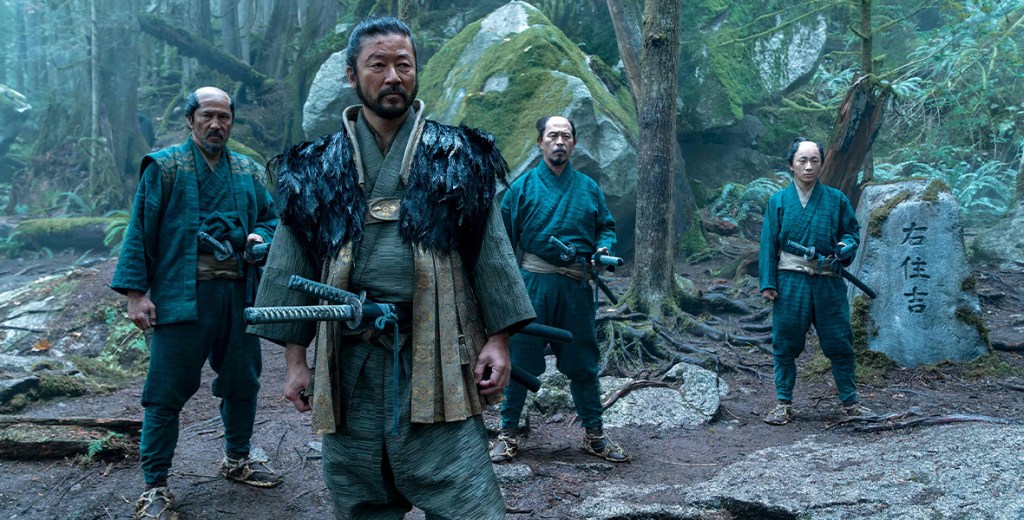
    Here is a show that refuses to give you what you want, but always gives you what you need. Loud when you expect it to be quiet, quiet when you expect it to be loud, this story is as surprising as it is brilliant and poetic. Shōgun is teeming with brilliant performances, from Hiroyuki Sanada’s enigmatic power, to Anna Sawai’s quiet defiance, to Tadanobu Asano’s frenzied chaos. From the first episode, viewers are invited into a world that feels new and lived in at the same time, with a sense of scale and power that makes you fall in love with TV all over again. In a year where FX wrestled the title from HBO as the home of the best shows on TV, they bring us the “stranger in a strange land” story to end all “stranger in a strange land” stories. I have no idea what a second season of this show will look like, but it will be appointment viewing when it arrives. Do you like watching TV shows that are good? If you answered yes, then you should watch this.

    1. Industry (HBO)

    The first season of Industry was good, the second was really good, and the third was great. I do not use “great” lightly. Each component of this show works: from its unique, hair-raising visual style to its plot that moves at a breakneck pace. Creators Mickey Down and Konrad Kay are constantly forcing this story and its characters to evolve, with no room for a plotline or theme to stagnate. All four of the lead performances are simply stunning, paramount among them being Ken Leung, who turns in the best acting performance of the year. This season was also given an imense gift this time around, with new cast member Kit Harington putting up the best work of his career. From the fourth episode’s Uncut Gems-esque coke-snort-thriller, to the finale’s nearly Austenian love story, Industry is announcing to the TV world that it has leveled up and is here for the crown.

    A large part of the reason I chose to publish this piece was to tell everyone how great Industry is. Shows like this do not come around often, so jump on the ride before it leaves without you. I could talk about this show forever so I’m going to go rewatch the first season of Severance to calm down, but seriously, check this show out.